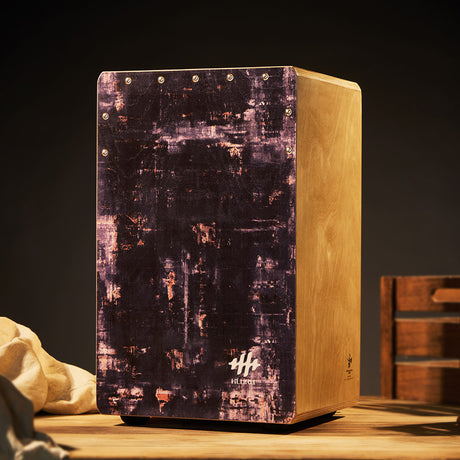
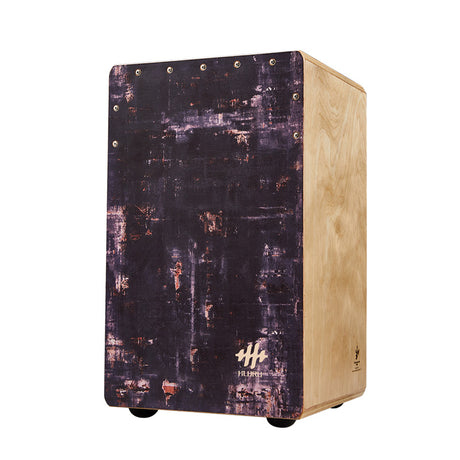
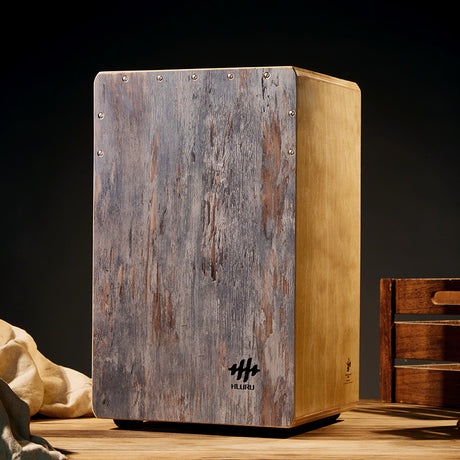
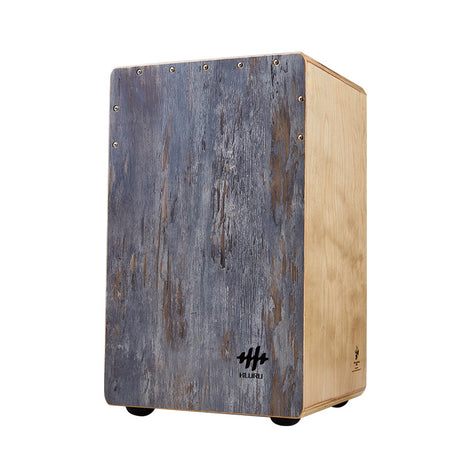
In the world of percussion, the Cajon is often called a "drum kit in a box." But as any seasoned percussionist or acoustic engineer will tell you, not all boxes are created equal. As we move into 2026, the appreciation for "Tonewoods" has transcended professional studios and entered the homes of hobbyists and enthusiasts alike. The wood you choose for your Cajon isn't just about the grain pattern or the color—it is the very DNA of the sound you will produce.
At HLURU, our research into acoustic resonance has shown that the density, elasticity, and cellular structure of wood determine how sound waves bounce, decay, and project. Whether you are looking for a deep, soul-stirring bass or a crisp, biting snare, the material is your most important decision. Today, we break down the three titans of the Cajon world: Birch, Maple, and Walnut.
1. The Physics of Resonance: Why Wood Matters
Before diving into specific species, it’s essential to understand what happens when you strike a Cajon. Your hand creates an initial vibration on the front plate (tapa). That vibration travels through the air inside the box and reflects off the back and side walls. The wood acts as a filter; some frequencies are absorbed, while others are amplified.
In 2026, sustainable harvesting and premium seasoning have become the standard for high-end instruments. HLURU.net prides itself on using aged tonewoods that have reached their "sonic maturity," ensuring that the instrument sounds better the more it is played.
2. Birch: The Studio Standard
Character: Balanced, Punchy, and Precise
Birch has long been the "Goldilocks" of tonewoods. It is known for its boosted high frequencies and a powerful low-end punch, with a slightly reduced midrange. This makes it incredibly easy to record and mix, which is why Birch Cajons are the preferred choice for studio sessions in 2026.
- Sound Profile: High projection with a fast "decay" (the sound doesn't linger too long).
- Best For: Pop, Rock, and Funk where clarity and a sharp snare crack are vital.
- The HLURU Touch: Our Birch series uses multi-ply construction to enhance structural integrity without sacrificing the wood's natural vibration.
3. Maple: The Bright All-Rounder
Character: Crisp, Bright, and Energetic
Maple is a dense, heavy wood that yields a very bright and powerful sound. If you are playing in a street performance or an unplugged outdoor setting, Maple provides the volume and "cut" needed to be heard through the noise. It has a fairly even frequency response but leans toward the higher end of the spectrum.
- Sound Profile: Exceptional "singing" highs and a tight, focused bass.
- Best For: Street drumming, outdoor festivals, and high-energy acoustic sets.
- Maintenance: Maple is extremely durable and resistant to environmental changes, making it a great choice for traveling musicians.
4. Walnut: The Premium Soul
Character: Warm, Dark, and Rich
For those who value "warmth" above all else, Walnut is the undisputed king. In 2026, we see a massive trend toward Walnut Cajons because of their sophisticated, "dark" tonal quality. Walnut emphasizes the lower-mid frequencies, giving the bass a "growl" that feels organic and deeply resonant.
- Sound Profile: Smooth highs (not as biting as Maple) and a rich, chocolatey low-end.
- Best For: Jazz, Blues, Soul, and meditative rhythmic therapy.
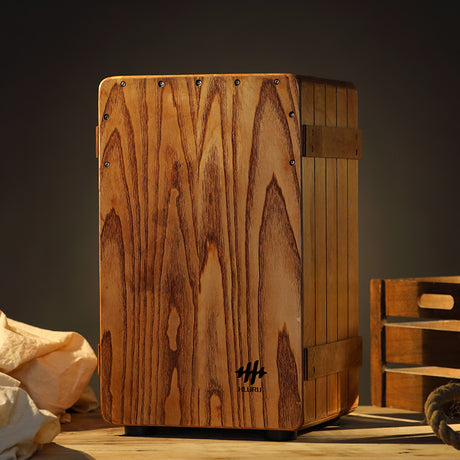
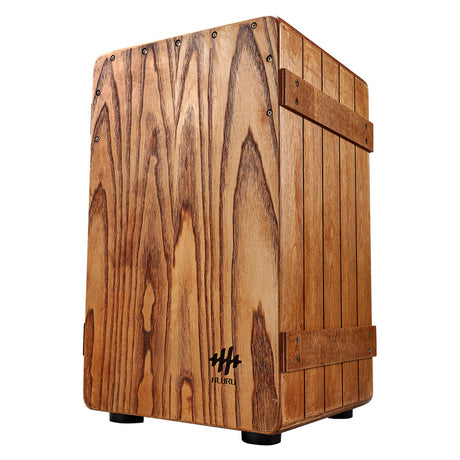
- Aesthetic: Beyond the sound, Walnut is visually stunning. The deep brown hues and intricate grain patterns make HLURU Walnut Cajons a centerpiece for any modern living space.
5. Comparison Table: At a Glance
| Wood Type | Bass Tone | Snare Crispness | Projection | Best Vibe |
|---|---|---|---|---|
| Birch | Punchy | High | Medium-High | Professional Studio |
| Maple | Tight | Very High | Highest | Outdoor/Live |
| Walnut | Deep & Warm | Soft/Smooth | Medium | Intimate/Soulful |
6. The HLURU Innovation: Hybrid Construction
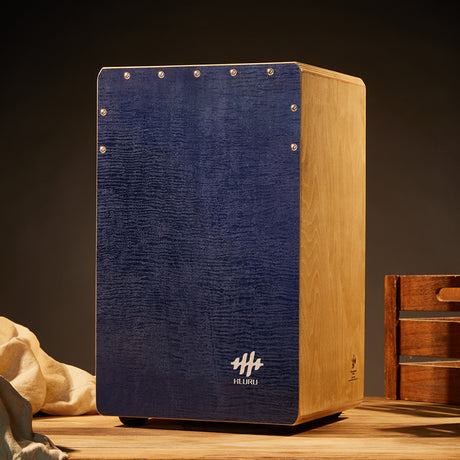
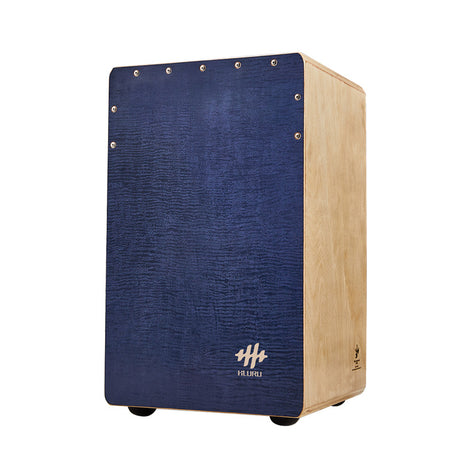
In 2026, we don't always have to choose just one. HLURU has pioneered the use of "Hybrid Acoustic Engineering." For example, many of our most popular models feature a Birch resonating body for structural clarity, paired with a Walnut faceplate (tapa) for that signature warmth of touch. This combination allows the player to enjoy the best of both worlds: the projection of Birch and the soulful response of Walnut.
7. How to Make Your Choice?
When you browse HLURU.net, ask yourself where you will be playing most often:
- The Bedroom Musician: If you play for relaxation or in a small room, go for Walnut. The warmth is less fatiguing to the ears over long sessions.
- The Content Creator: If you are filming TikToks or YouTube covers, Birch provides the most "pre-EQ'd" sound that requires minimal editing.
- The Performer: If you need to compete with a guitar or a crowd, Maple will ensure your rhythms are heard loud and clear.
8. Final Thoughts: The Wood is the Soul
Ultimately, a Cajon is more than a percussion instrument; it is an extension of your rhythm. While technology in 2026 allows us to simulate sounds digitally, nothing can replace the physical sensation of air moving through a real wooden chamber. The vibrations you feel against your body as you strike a HLURU Cajon are a testament to the thousands of years of natural growth that went into that wood.
Invest in the wood that speaks to your style. Visit our collection and hear the difference that craftsmanship makes.