🎧 Listen: Close your eyes and hear the healing tone
Table of Contents
We live in a loud, chaotic world. Notifications are constantly pinging, and stress levels are at an all-time high. You might have tried meditation apps or white noise machines, but have you tried creating the sound yourself?
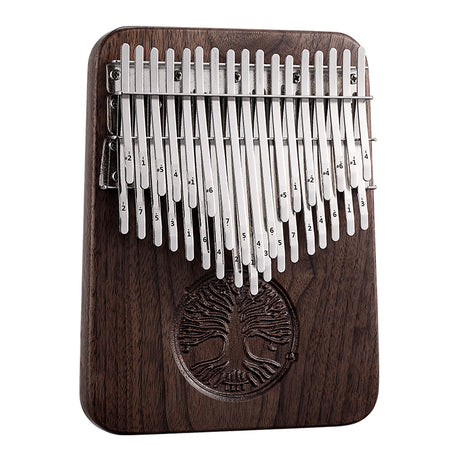
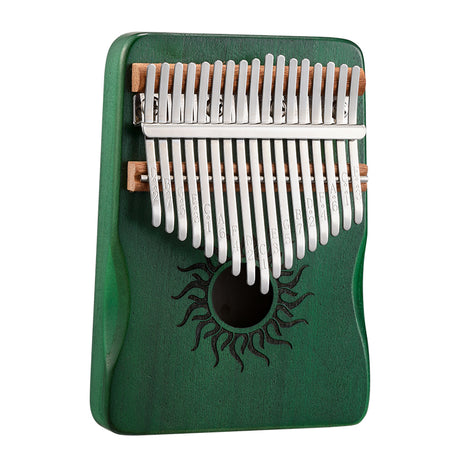
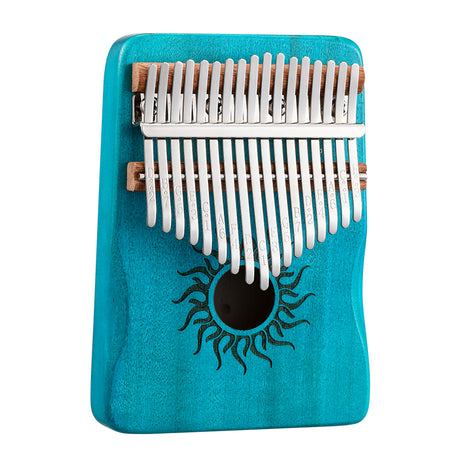
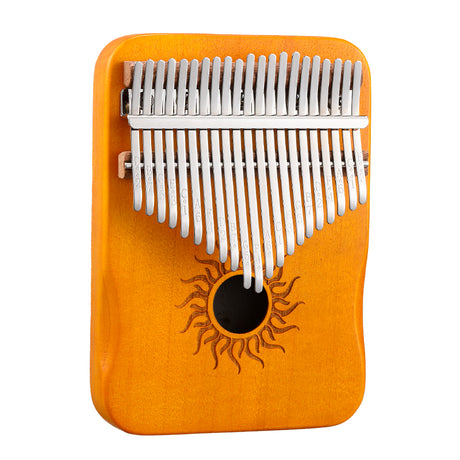
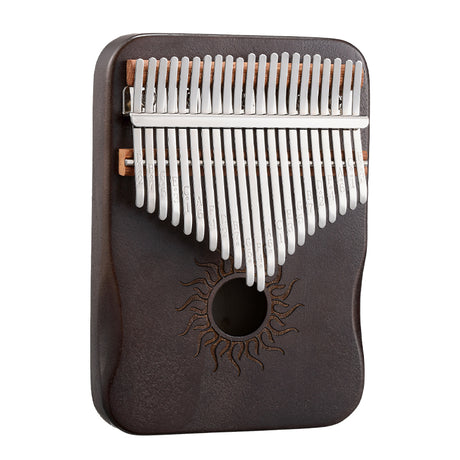
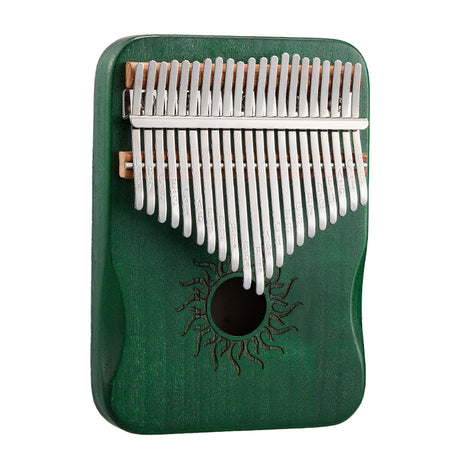
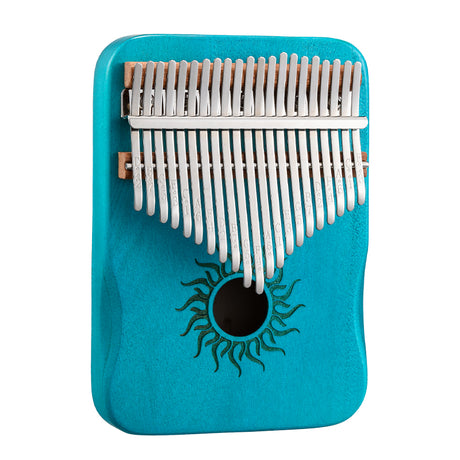
Enter the Kalimba (or Thumb Piano). Beyond being a musical instrument, it is rapidly gaining popularity as a tool for Sound Healing.
But can a small wooden box really help with anxiety and sleep? Let's explore the soothing power of this ancient instrument.
Why the Kalimba? The Science of Resonance
Unlike a trumpet (which is loud) or a violin (which can be screechy), the Kalimba produces a pure sine wave sound. It is similar to a Music Box or a Singing Bowl.
When you pluck the metal tines, two things happen:
- Auditory: The soft, bell-like chimes lower your brainwave frequency, encouraging a state of Alpha relaxation.
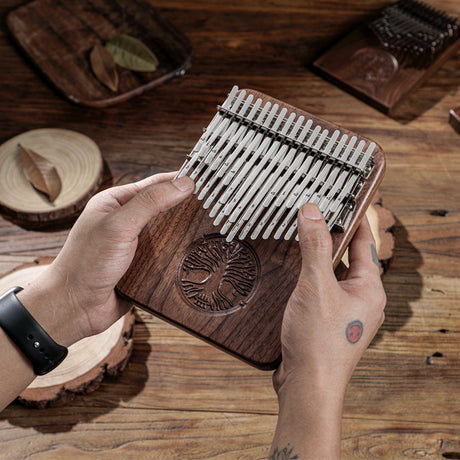
- Tactile: This is the secret sauce. Because you hold the Kalimba in your hands, the vibrations from the wood travel directly into your fingertips and palms. This physical sensation is incredibly grounding for the nervous system.
3 Key Benefits for Mental Health
Why are so many therapists and yoga instructors recommending the Kalimba?
1. Breaking the "Doom Scrolling" Loop
Instead of reaching for your phone before bed (which destroys sleep quality with blue light), reaching for a Kalimba engages your hands and brain in a calming, screen-free activity. It is the perfect digital detox.
2. Instant Gratification (Low Frustration)
Learning a guitar can be frustrating and painful. The Kalimba sounds beautiful immediately. You can play random notes, and it still sounds like a lullaby. This "no-fail" experience releases dopamine instead of cortisol (stress hormone).
3. Active Meditation
For people who find it hard to "just sit still" and meditate, the Kalimba offers Active Meditation. You focus on the sound and the movement of your thumbs, which quiets the chatter in your mind.
Is It Right For You? (Expectation vs. Reality)
While the Kalimba is magical, it is important to have realistic expectations.
- It is NOT a Medical Cure: Sound therapy is a complementary tool. It helps manage symptoms of stress and mild anxiety, but it does not replace professional medical treatment.
- Sensitivity to Sound: While 99% of people find it soothing, some people with extreme sensory processing issues might find the high-pitched metallic resonance overwhelming. Listen to the audio clip above to test your reaction.
- Patience is Still Required: While easy, it is still a skill. If you are a perfectionist who gets angry when you hit a wrong note, try to embrace the "mistakes" as part of the process.
How to Start a 5-Minute Healing Ritual
You don't need to learn a complex song to get the benefits. Try this simple routine:
- Sit comfortably in a quiet chair or on your bed.
- Hold the Kalimba loosely. Feel the weight of the wood.
- Close your eyes.
- Glissando: Slowly slide your thumb across all the keys from left to right. Listen to the wave of sound.
- Random Plucking: Gently pluck one note on the left, then one on the right. Don't try to make a melody. Just listen to the sustain of each note until it fades into silence.
Why Wood Quality Matters for Healing
If you are buying a Kalimba specifically for healing, do not buy a cheap plastic or thin plywood model.
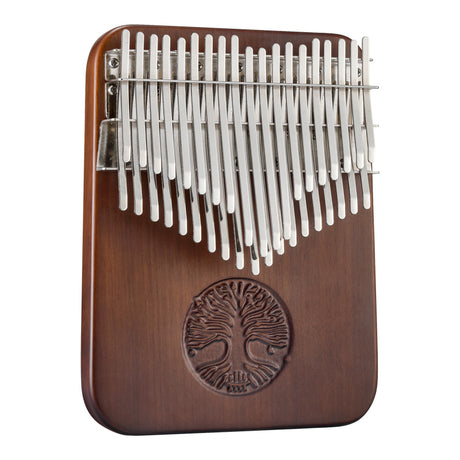
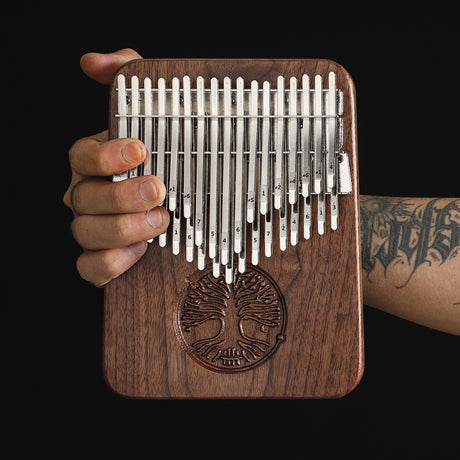
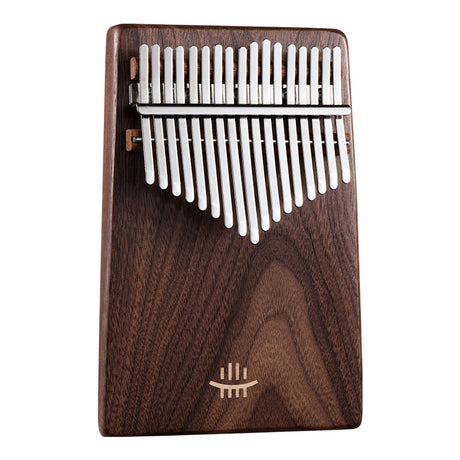
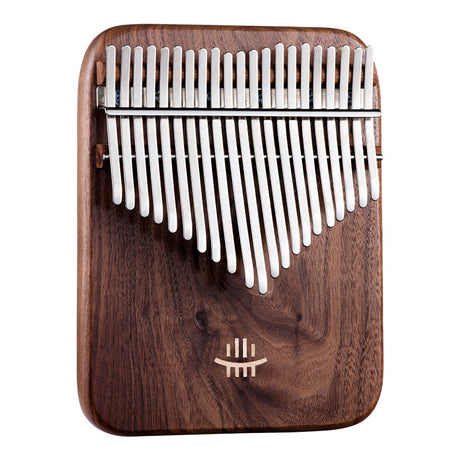
For sound healing, you need Resonance. A solid block of wood (like Hluru's Black Walnut or Mahogany models) acts like a speaker cabinet. It holds the vibration longer, allowing you to feel it in your hands. Acrylic models are beautiful, but wood models are generally warmer and more soothing for the soul.
Conclusion & FAQ
The Kalimba is the perfect "emotional first-aid kit." It is portable, private, and deeply personal. Whether you are dealing with a stressful job or just trouble sleeping, a few minutes of plucking can reset your nervous system.
Frequently Asked Questions
Q: Is 432Hz tuning better for healing?
A: Many sound healers believe 432Hz is more relaxing than the standard 440Hz. However, a standard 440Hz Kalimba is perfectly fine for relaxation. The act of playing is more important than the specific frequency.
Q: Can I play it in bed?
A: Yes! It is quiet enough that you won't wake up your neighbors (unlike a guitar or drum). It is the ideal bedside companion.