🧸 Table of Contents (Tap to Collapse)
Why Parents Love Them
- Instant Success: Unlike a violin or piano, a child sounds "good" within 5 seconds of playing.
- Indestructible: Made of steel, it survives drops, kicks, and "enthusiastic" playing.
- Quiet & Pleasant: It produces a soft, ambient sound that won't give parents a headache.
As a parent, you want to encourage your child's musical creativity. But let's be honest: giving a 5-year-old a plastic recorder or a loud drum set is a recipe for a migraine.
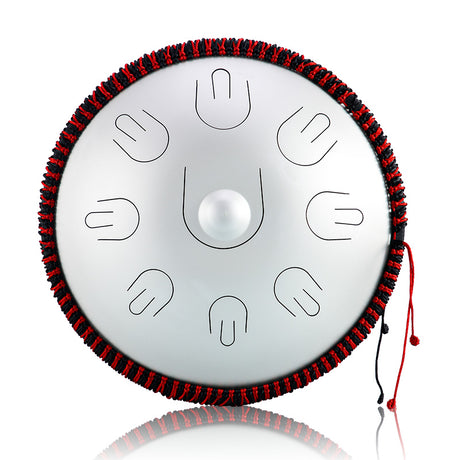
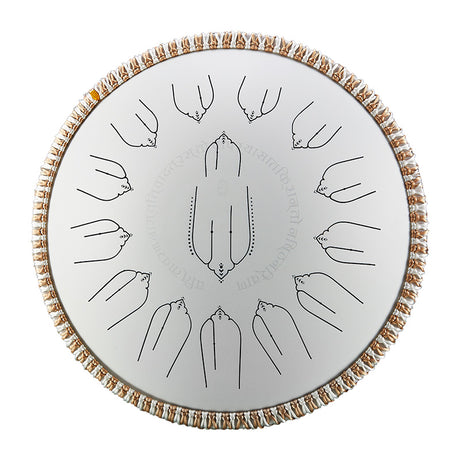
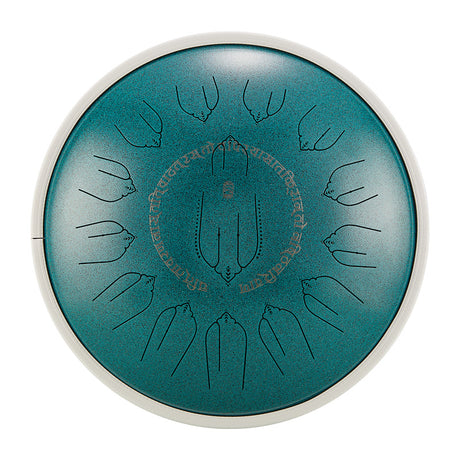
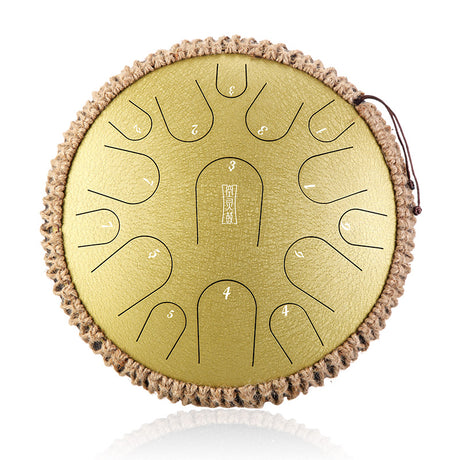
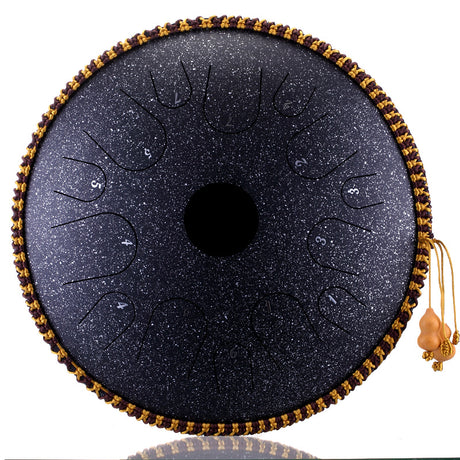
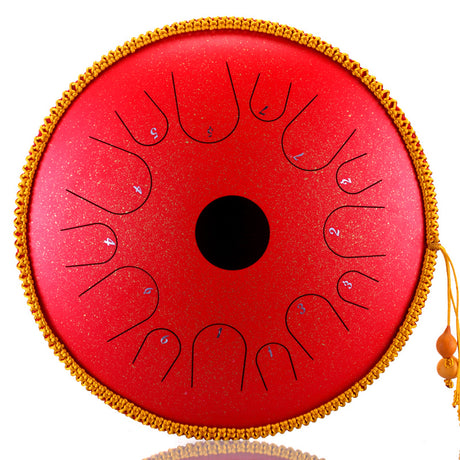
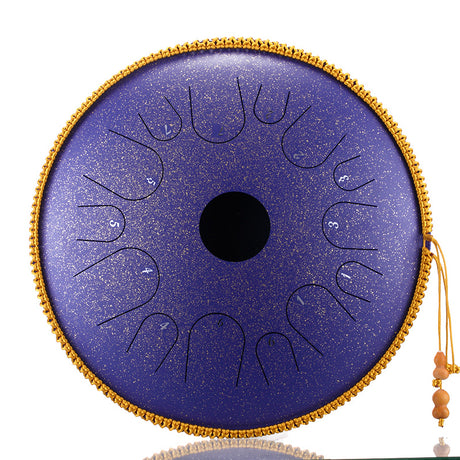
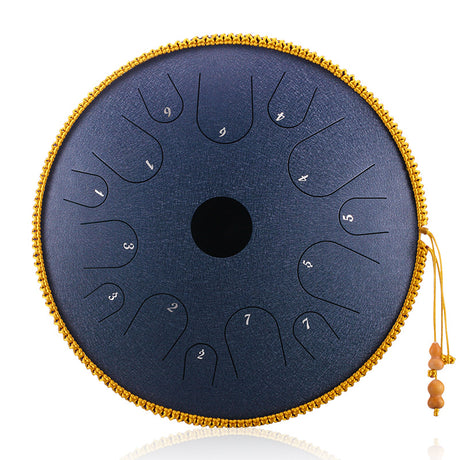
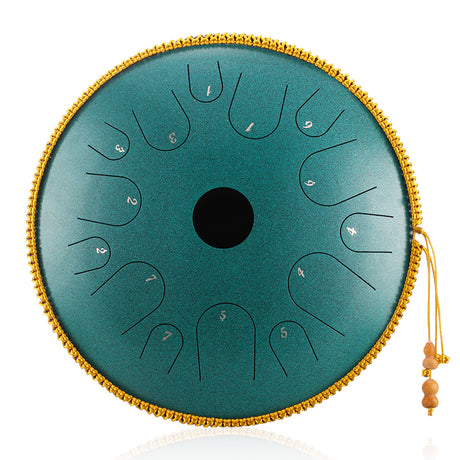
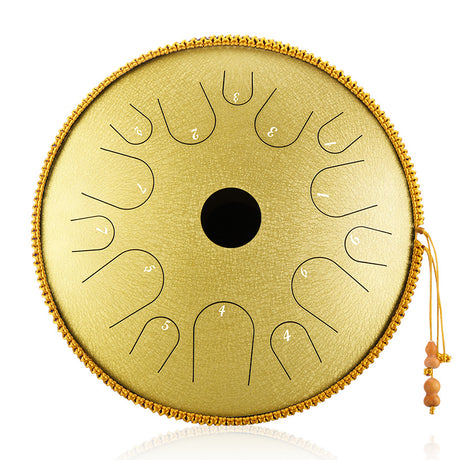
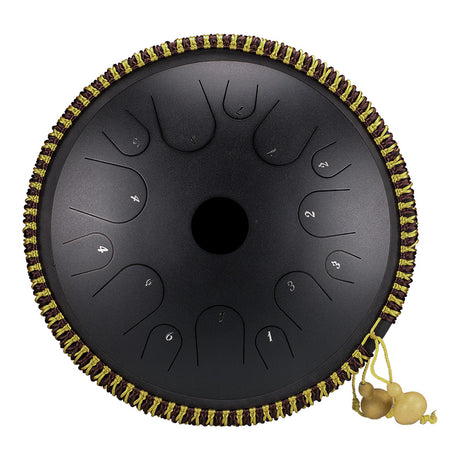
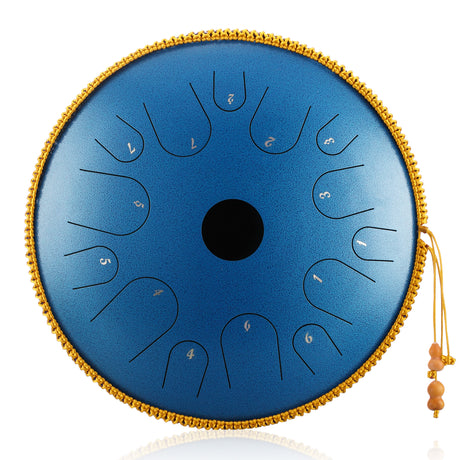
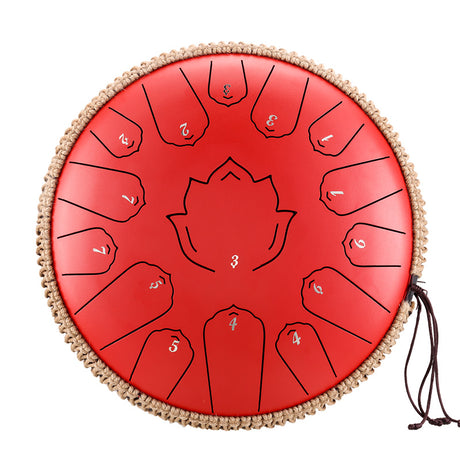
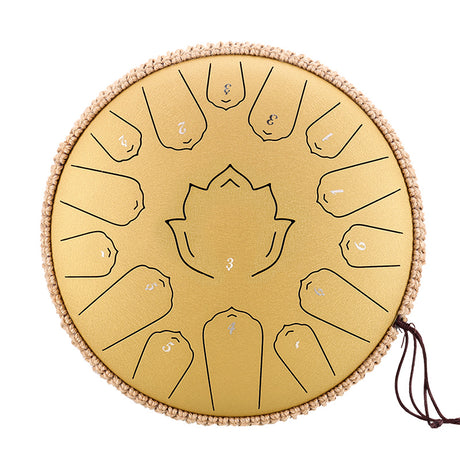
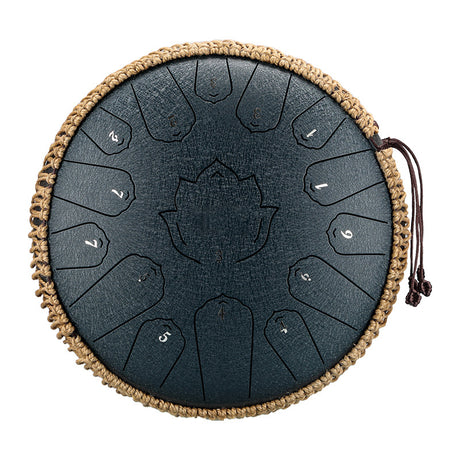
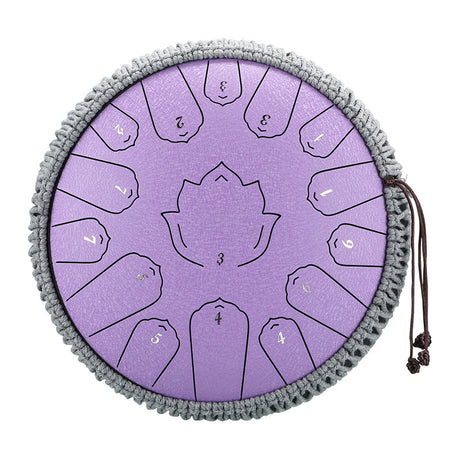
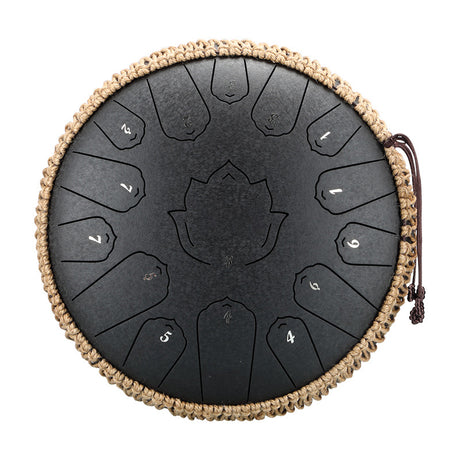
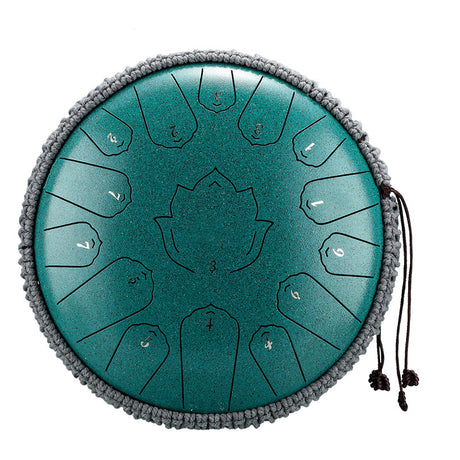
Enter the Steel Tongue Drum. In 2026, this instrument has become the top recommendation among music educators for children ages 3 to 10. Why? Because it solves the biggest problem in early music education: frustration. Here is why the tongue drum is arguably the best first instrument for your child.
1. The "No Wrong Note" Magic (Confidence Builder)
Most instruments are hard. If a child presses the wrong key on a piano, it sounds dissonant. If they blow too hard on a flute, it squeaks. This leads to frustration and quitting.
Tongue drums (specifically those tuned to the Pentatonic Scale) are mathematically designed so that every note sounds good with every other note.
Your child can hit the drum randomly, and the result will sound like a pleasant, harmonious melody. This provides instant positive reinforcement, boosting their confidence and making them want to keep playing.
2. Durability: Passing the "Toddler Test"
Let's face it: kids break things. Wooden guitars crack. Plastic keyboards shatter. Violins are fragile.
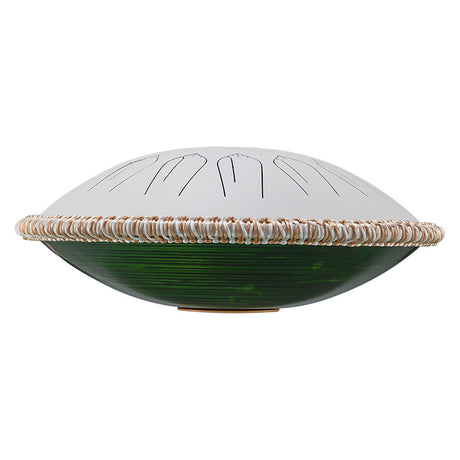
A tongue drum is literally a chunk of high-grade steel. It has no moving parts to snap off.
- Drop Proof: If it falls off a table, it rings—it doesn't break.
- Spill Proof: Spilled juice? Just wipe it off.
- Maintenance Free: No tuning required (unlike guitars). It stays in tune for years.
Listen to the "Quiet"
Worried it will be too loud? Compare the volume of a Tongue Drum vs. a Recorder vs. a Toy Keyboard.
3. Calming ADHD, Anxiety, and Autism
Beyond music, the tongue drum is a powerful tool for emotional regulation. The vibration of the steel provides sensory feedback, and the ethereal sound acts as "white noise" for the brain.
Many occupational therapists use tongue drums for children with ADHD or Autism. The act of focusing on the tongues helps ground hyperactive energy, and the soothing frequency (especially 432Hz models) can de-escalate a tantrum or anxiety attack.
4. Safety & Age Recommendations
While safe, there are a few things to consider based on age:
| Age Group | Recommended Size | Safety Tip |
|---|---|---|
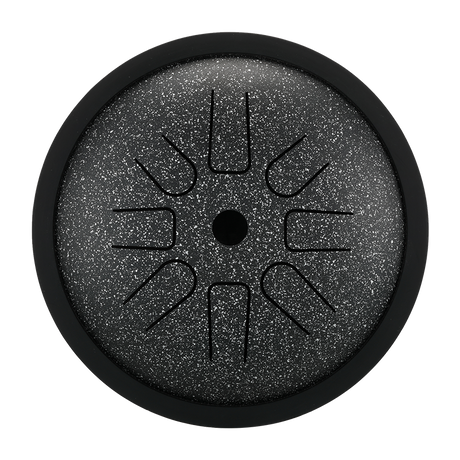
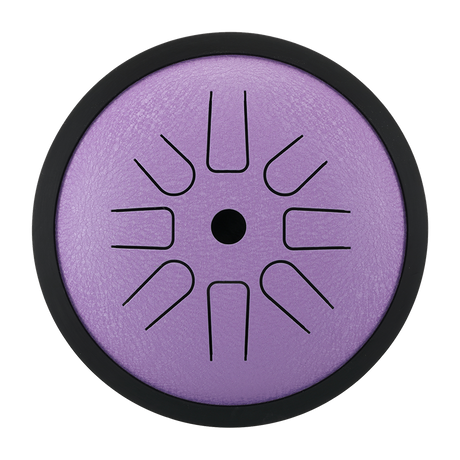
| Toddlers (0-3) | 6-inch (Mini) | Supervision Required: Use hands instead of mallets (choking hazard). |
| Kids (4-9) | 10-12 inch | Perfect age. Mallets are fine. Look for rubber feet to stop slipping. |
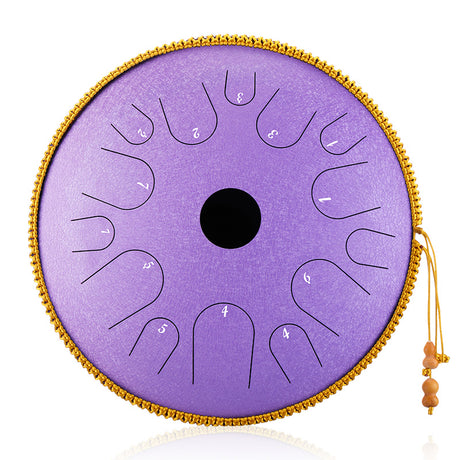
| Pre-Teens (10+) | 12-14 inch | Can handle complex 13-note scales for learning pop songs. |
5. Comparison: Drum vs. Recorder
Why do most parents regret buying a recorder?
- The Recorder: High-pitched, screechy, requires breath control, saliva cleanup. Parent Stress Level: 10/10.
- The Tongue Drum: Mid-range frequency (mellow), percussive but soft, zero cleanup. Parent Stress Level: 1/10.
Conclusion
If you are looking for a gift that will not end up in the "broken toy bin" next week, the tongue drum is the answer. It bridges the gap between a toy and a serious instrument. It teaches rhythm, melody, and patience—all while bringing a sense of peace to your household instead of noise. Start with a 10-inch Pentatonic model, and watch your child find their rhythm.