Table of Contents
Buying a handpan is an emotional journey. It is not just an instrument; it is a companion for meditation, creativity, and healing. However, with price tags often exceeding $1,000, it is also a significant investment.
If you are browsing through Hluru's collection, you might feel overwhelmed. "What is Nitrided Steel?" "Why is D Minor so popular?" "Do I need 9 notes or 12 notes?"
This comprehensive guide will demystify the different types of handpans, focusing on the three pillars that define your sound: Material, Scale, and Note Count.
1. Material Matters: Nitrided vs. Stainless Steel
The single biggest factor affecting a handpan's tone is the metal it is made from. At Hluru, we generally offer two main types:
Nitrided Steel (The Classic Sound)
This is the traditional material. The steel undergoes a heat treatment process called nitriding, which hardens the metal and prevents rust.
- Sound Character: Short sustain, percussive, and punchy. It does not "ring" for too long.
- Best For: Fast, rhythmic players and outdoor performances. It allows you to play many notes quickly without the sound becoming muddy.
- Durability: Very resistant to scratches and rust.
Stainless Steel (The Dreamy Sound)
Stainless steel is a newer trend in the handpan world, favored by sound healers.
- Sound Character: Long sustain, ethereal, and extremely resonant. When you hit a note, it hums for seconds.
- Best For: Meditation, yoga, and slow, melodic playing. It creates a "wall of sound" that is incredibly relaxing.
- Durability: Naturally rust-resistant (ideal for humid climates), but slightly softer than nitrided steel.
Pro Tip: If you want to play fast beats, choose Nitrided. If you want to meditate, choose Stainless.
2. Choosing Your Scale: The Mood of the Music
Unlike a piano, a handpan is locked to a specific scale. You cannot change it later, so choosing the right "mood" is crucial.
D Minor (Kurd Scale) – The Most Popular
If you are a beginner, 90% of teachers will recommend D Minor (often called D Kurd).
- The Vibe: Mystical, slightly melancholic, but hopeful. It sounds like a movie soundtrack.
- Why Choose It: It is the "universal language" of handpan players. Almost all tutorial videos use this scale, making learning much easier.
Major Scales (e.g., Sabye)
- The Vibe: Happy, uplifting, and bright.
- Best For: Morning play, energizing sessions, and street performance.
Exotic Scales (e.g., Hijaz)
- The Vibe: Middle Eastern flavor, tense, and dramatic.
- Best For: Advanced players looking for a unique, storytelling sound.
3. Note Count: Is More Always Better?
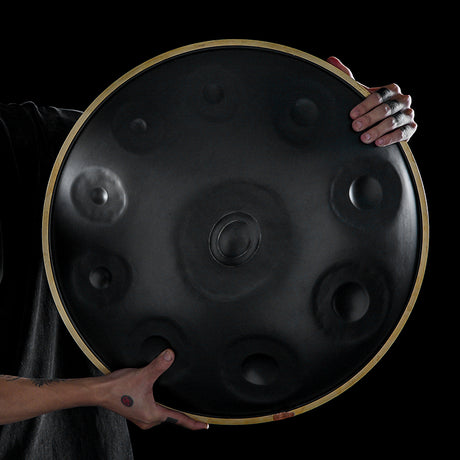
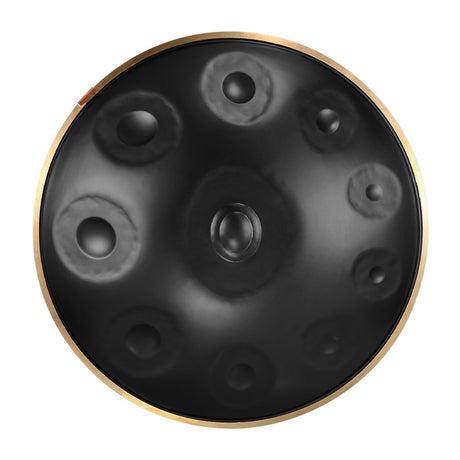
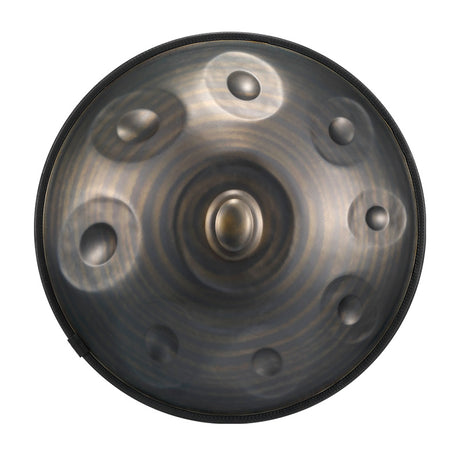
Handpans typically have one central note (the "Ding") and a circle of notes around it.
9 or 10 Notes (Standard)
This is the Gold Standard. A 9-note handpan (1 Ding + 8 tone fields) offers a full octave range without cluttering the surface.
- Verdict: Perfect for 99% of beginners. It is easier to strike the notes cleanly.
12+ Notes (Mutant / Extended)
These instruments have extra notes, sometimes even on the bottom shell.
- Verdict: Only recommended for advanced musicians. More notes mean the tone fields are smaller and closer together, requiring very precise aiming. For a beginner, it can be frustrating to play.
4. Size & Portability
Most adult handpans are roughly 21-22 inches (55cm) in diameter. This standard size provides the best resonance for bass notes.
Mini Handpans (16-18 inches): While cute and portable, they often lack the deep bass and volume of a full-sized drum. They are great for travel but shouldn't be your primary instrument if you crave deep resonance.
Quick Decision Guide
Still undecided? Match your profile:
- The Meditator / Yoga Instructor: Go for a Stainless Steel handpan in D Minor. The long sustain aids relaxation.
- The Drummer / Rhythm Player: Go for a Nitrided Steel handpan. It responds faster to your percussive hits.
- The Absolute Beginner: Stick to the classic 9-Note or 10-Note D Minor. It is the easiest to learn and resell.
Conclusion
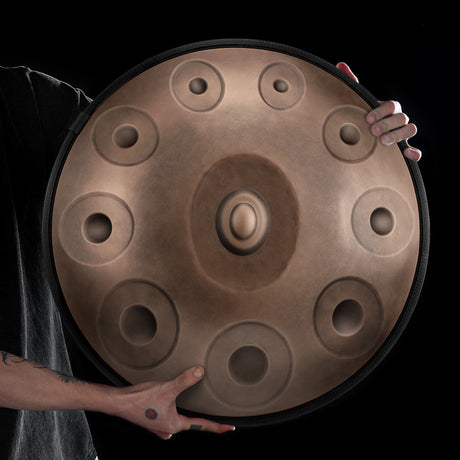
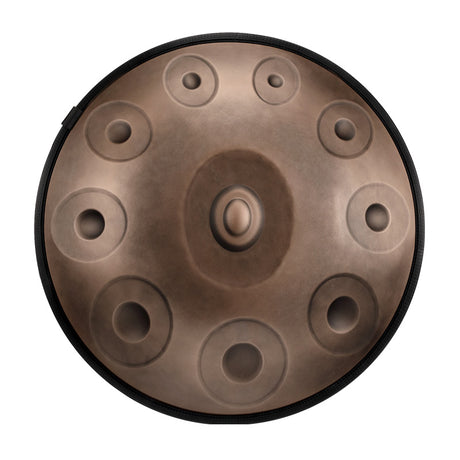
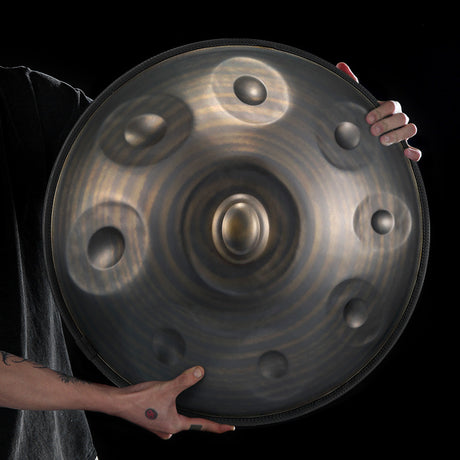
There is no "best" handpan type, only the best one for you. Whether you are drawn to the golden glow of stainless steel or the dark elegance of nitrided steel, Hluru ensures every instrument is hand-tuned to concert pitch.
Ready to find your sound? Explore our collection below and listen to the audio demos on each product page.
Frequently Asked Questions
Q: 432Hz vs 440Hz: Which should I choose?
A: 440Hz is the standard tuning for modern music. If you plan to play with other instruments (piano, guitar), get 440Hz. 432Hz is often used for solo meditation and sound healing.
Q: How long does a handpan last?
A: With proper care (wiping it down after use and oiling it monthly), a high-quality steel handpan can last a lifetime. Stainless steel models require even less maintenance.