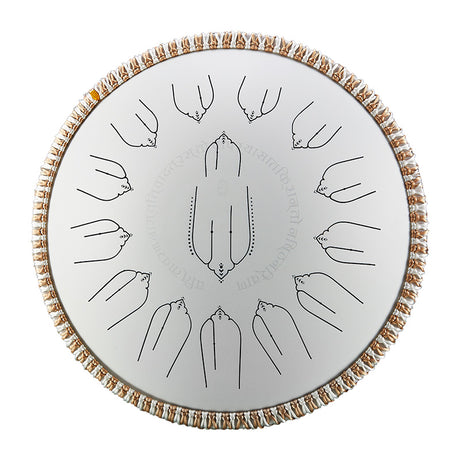
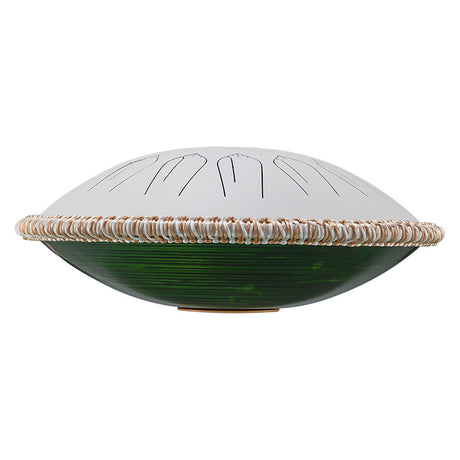
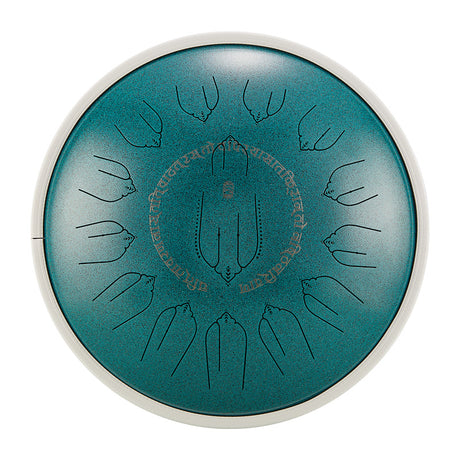
Al navegar por el panorama del bienestar en 2026, la intersección del movimiento y el sonido ha alcanzado un nuevo nivel. Mientras que el yoga tradicional se centra en la respiración y la postura, la evolución moderna—a menudo denominada \"Yoga Vibracional\"—busca alinear los centros de energía del cuerpo mediante frecuencias sonoras externas. Entre los muchos instrumentos utilizados en este espacio, el Tambor de lengua de acero ha emergido como el compañero más popular para yoguis en todo el mundo.
¿Por qué este humilde instrumento con forma de OVNI aparece en estudios de alta gama desde Bali hasta Nueva York? La respuesta radica en su capacidad única para producir tonos puros y sostenidos que resuenan con el sistema nervioso humano. Hoy, exploramos cómo Hluru está liderando esta revolución sonora y cómo puedes integrar estos sonidos etéreos en tu práctica diaria.
1. La Ciencia del Sonido y la Quietud
En 2026, entendemos más que nunca cómo el sonido afecta nuestras ondas cerebrales. El Tambor de Lengua de Acero es un \"idiòfono\" que crea una rica base de sobretonos. Cuando golpeas un Tambor de lengüeta Hluru, las vibraciones no solo se mueven a través del aire; se transmiten por el suelo y llegan a tu esterilla de yoga, proporcionando una forma táctil de terapia sonora.
Estudios sobre "Biofield Tuning" actualizados en 2025 sugieren que la frecuencia de 432Hz—una opción de afinación estándar en muchos tambores Hluru—ayuda a reducir la frecuencia cardíaca y facilita la transición de ondas cerebrales Beta (pensamiento activo) a estados Alfa y Theta (relajación profunda y meditación). Esto lo convierte en la herramienta perfecta para conectar con la tierra al inicio de una sesión.
Inducción al Estado Alfa
Los intervalos armónicos puros del tambor ayudan a calmar la \"mente de mono\", facilitando mantener posturas desafiantes.
Activación del Sistema Nervioso Parasimpático
Tonos profundos y resonantes estimulan el nervio vago, señalando al cuerpo que entre en un estado de \"Descanso y Digestión\".
2. Incorporando el Tambor en tu Secuencia de Yoga
Integrar un Tambor de Lengua de Acero no requiere ser percusionista. En HLURU.net, diseñamos nuestros tambores para que sean intuitivos, asegurando que un instructor de yoga pueda tocarlos mientras guía una clase, o que un practicante en solitario pueda tocarlos con una mano durante las transiciones.
A. La Apertura (Pranayama y Centrado)
En lugar de usar una lista de reproducción digital, inicia tu práctica con tres minutos de sonido en vivo. Golpea suavemente la nota más baja de tu tambor Hluru al ritmo de tus inhalaciones y exhalaciones. La vibración física ayuda a los estudiantes a anclar su atención en el momento presente, creando un "límite sonoro" entre el mundo exterior y el espacio del estudio.
B. Durante la Secuencia (Transiciones de Asana)
Para prácticas más lentas como Yin o Yoga Restaurativo, el tambor puede usarse para señalar el cambio de postura. La larga duración de un tambor Hluru de 13 pulgadas puede extenderse hasta 10 segundos, proporcionando un "puente sonoro" que acompaña al practicante de un movimiento al siguiente, manteniendo el hilo meditativo.
\"El sonido del tambor actúa como un hilo que cose el movimiento con la respiración, creando un tapiz de conciencia sin fisuras.\"
3. Savasana: La Máxima Baño de Sonido
Savasana es la parte más crítica del yoga, pero para muchos, es la más difícil. En 2026, \"Savasanas Sonoras\" son el estándar de oro. Al tocar un Tambor de lengüeta de acero Hluru durante la relajación final, proporcionas un punto focal para la mente, evitando que se distraiga con la lista de tareas del día.
Técnica Profesional: La Estría Circular
Durante Savasana, en lugar de golpes rítmicos, intenta mover los mazos en un patrón circular alrededor de las lenguas del tambor. Esto crea un efecto de \"cuenco cantando\"—una ola continua de sonido que se siente como estar sumergido en agua tibia. Es notablemente efectivo para liberar tensiones profundas en la fascia.
4. ¿Por qué elegir Hluru para profesionales de yoga?
No todos los tambores de lengüeta son adecuados para el entorno de estudio. Los profesores de yoga en 2026 eligen Hluru por varias razones específicas:
- Afinación Estable: Nuestros modelos de 2026 cuentan con acero templado con nitrógeno, asegurando que el tambor mantenga una afinación perfecta independientemente de la humedad o temperatura en una sala de \"Hot Yoga\".
- Volumen No Intrusivo: A diferencia de los gongs o grandes cuencos cantores, el Tambor de Lengua de Acero tiene un volumen \"personal\". Es lo suficientemente fuerte para llenar una habitación, pero lo bastante suave para no asustar a los practicantes.
- Zen Estético: Con diseños minimalistas y acabados terrosos, los tambores Hluru complementan la estética de cualquier santuario moderno.
5. Elegir tu Frecuencia: 432Hz vs 440Hz
En la comunidad de bienestar, el debate entre 440Hz (afinación estándar) y 432Hz (afinación natural) sigue vigente. En 2026, Hluru ofrece ambas opciones. Muchos yoguis prefieren 432Hz por su supuesta alineación con la "Resonancia Schumann" y los patrones matemáticos de la naturaleza. Si tu objetivo es puramente terapéutico, se recomienda especialmente un tambor Hluru afinado a 432Hz en escala menor (como La menor o Re menor) por su resonancia profunda y emotiva.
6. Conclusión: Una Nueva Era de Práctica
La integración del sonido en el yoga no es una moda pasajera; es un regreso a nuestras raíces. Somos seres rítmicos, y nuestros cuerpos responden a la frecuencia. Al incorporar un Tambor de lengüeta de acero Hluru en tu práctica, te estás brindando a ti mismo—o a tus estudiantes—una herramienta poderosa para la transformación.
La esterilla es tu escenario, la respiración es tu ritmo, y el tambor es la voz de tu alma. Te invitamos a explorar la colección más reciente de 2026 y encontrar la resonancia que acompañe tu camino.