🎵 Table of Contents (Click to Collapse)
Key Takeaways
- Beginner Sweet Spot: A 12-inch, 11-note or 13-note drum offers the best balance of portability and musical range.
- Material Matters: Choose Steel-Titanium Alloy for a purer, longer sustain without the "metallic iron" noise.
- Healing Frequency: Consider 432Hz tuning for deep meditation and yoga, or standard 440Hz for playing with other instruments.
In a world that never stops buzzing with notifications and noise, finding a moment of pure silence is a luxury. This is why the steel tongue drum has exploded in popularity in 2025. It isn't just an instrument; it's a "peace button" for your soul. Whether you are looking to relieve anxiety, deepen your meditation practice, or simply give a gift that resonates emotionally, choosing the right drum is crucial. As a luthier with 30 years of experience, I've seen too many people buy cheap, out-of-tune "toys." Today, I will walk you through exactly how to choose a tongue drum that will become a lifelong companion.
1. Size and Note Count: Range vs. Portability
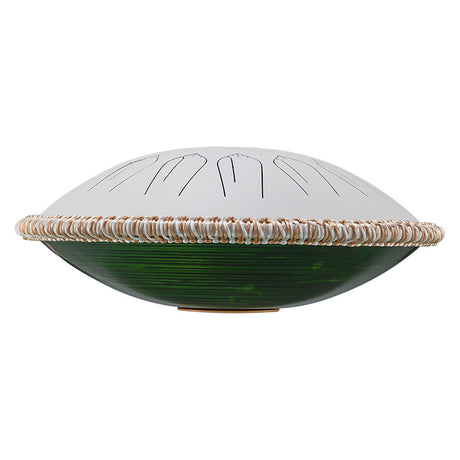
The first decision you face is physical size and the number of notes (tongues). In the acoustics of tongue drums, size equals resonance. A larger chamber allows sound waves to develop more fully, creating that signature "ethereal" bloom.
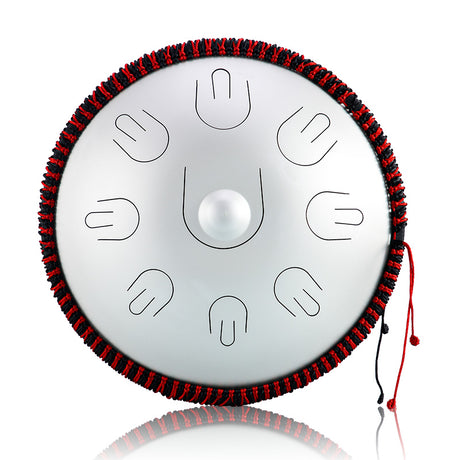
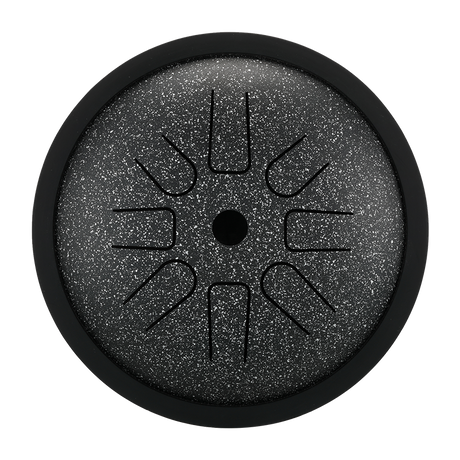
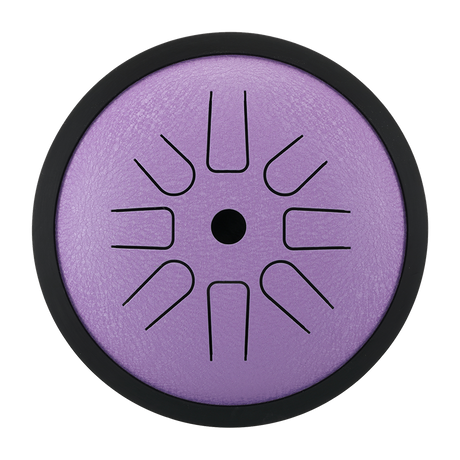
- Small (6-8 inches, 6-8 Notes): These are excellent for children or as travel companions. However, the musical range is limited. You can play simple melodies (like "Twinkle Twinkle Little Star"), but you may feel restricted quickly.
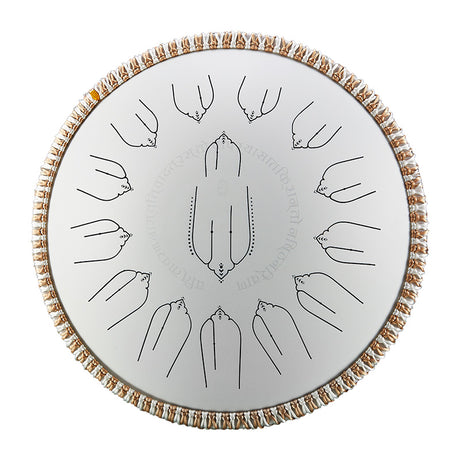
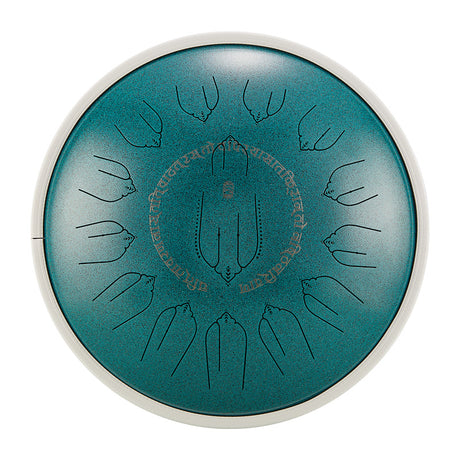
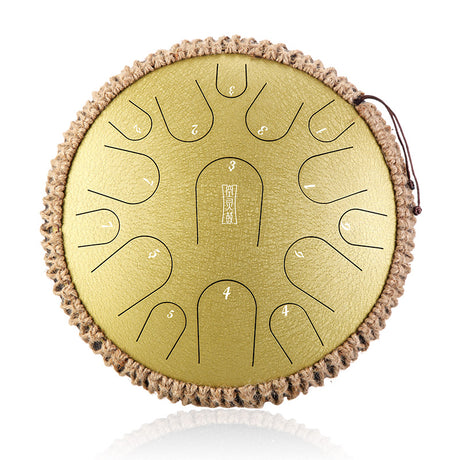
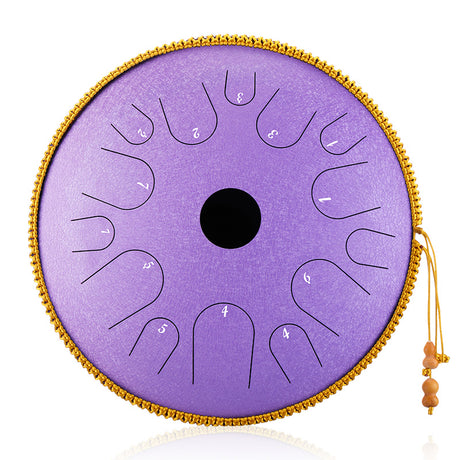
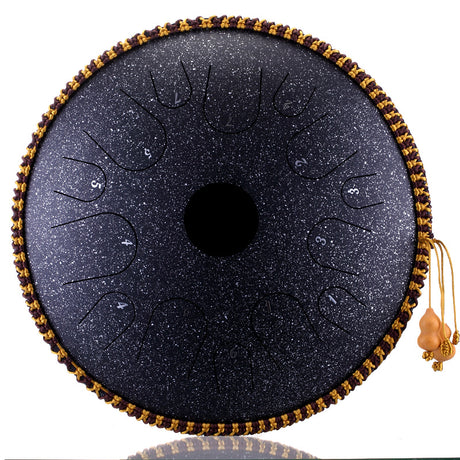
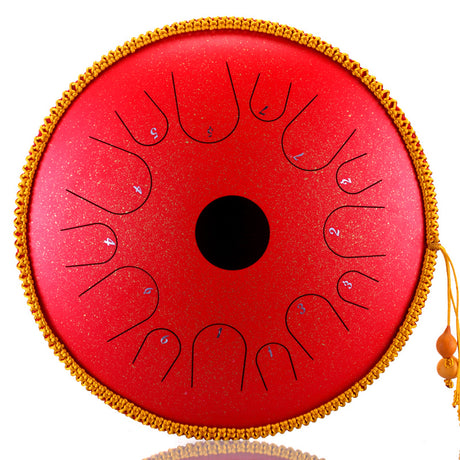
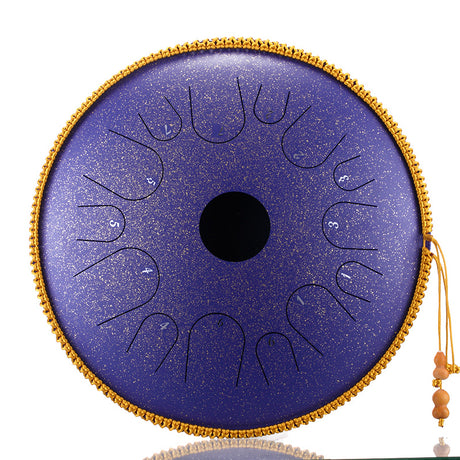
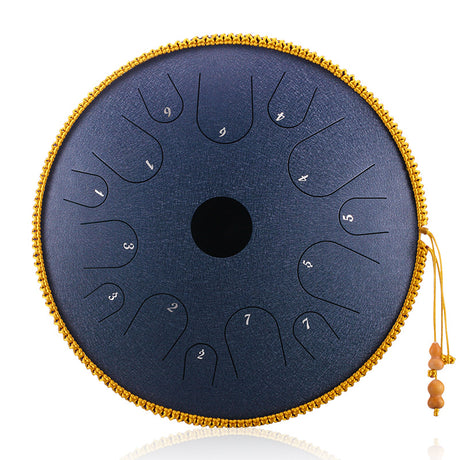
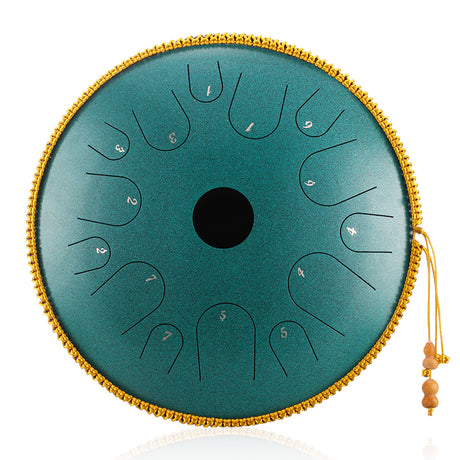
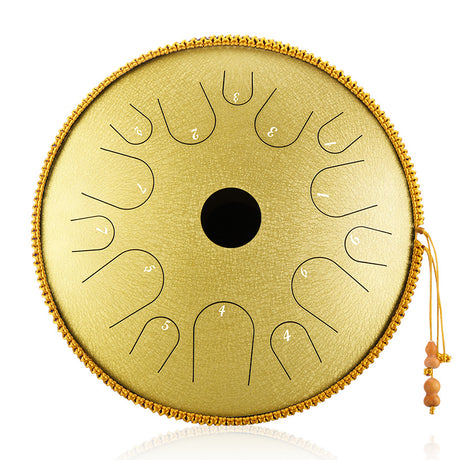
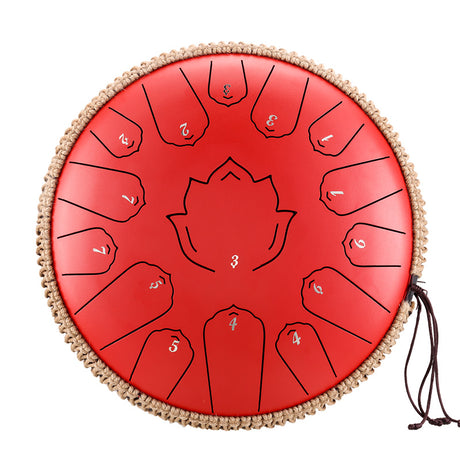
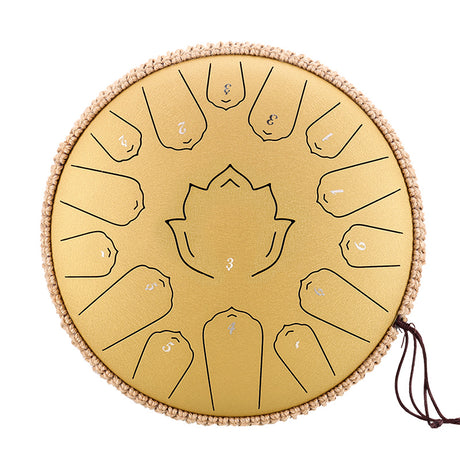
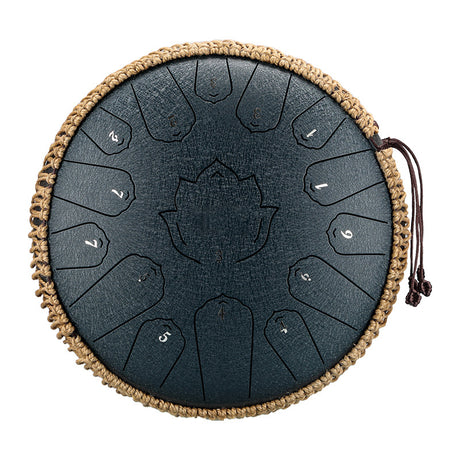
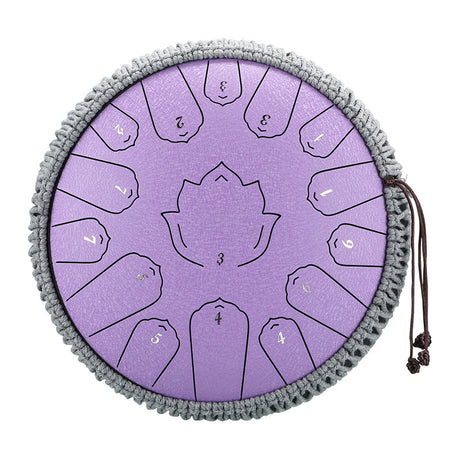
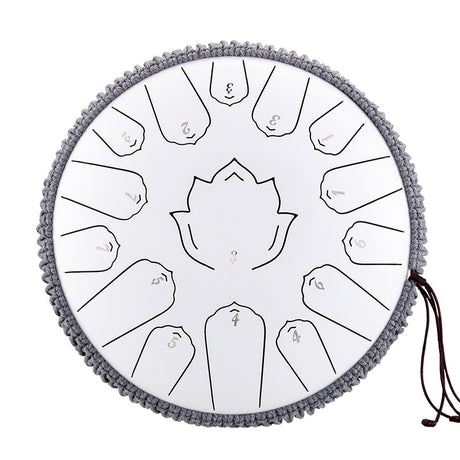
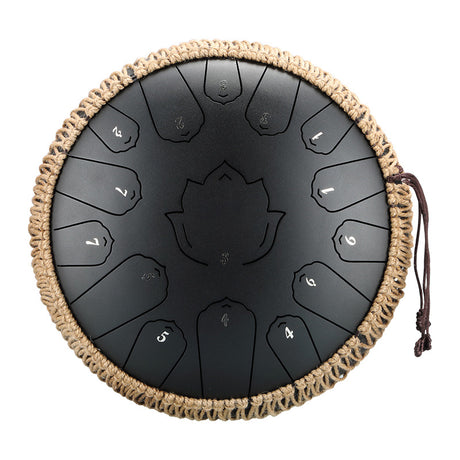
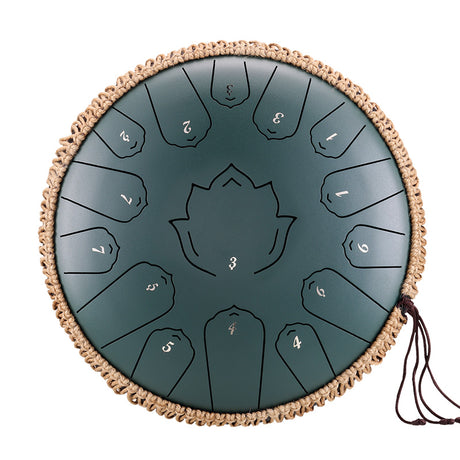
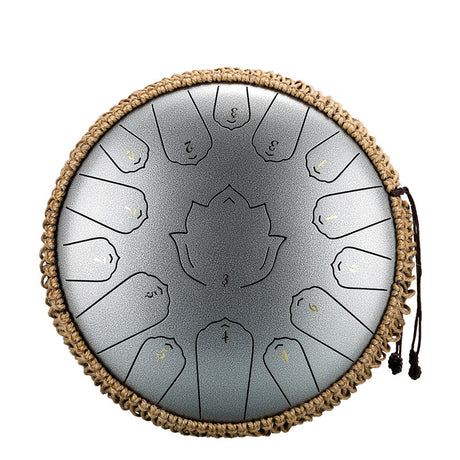
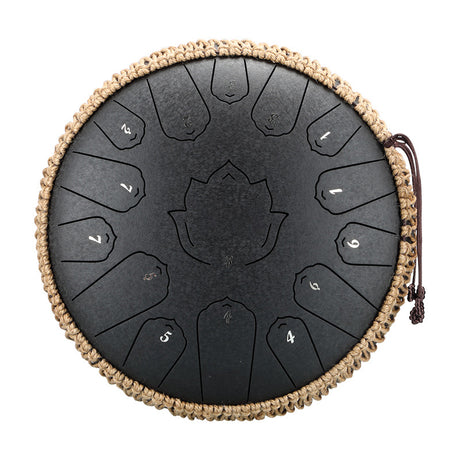
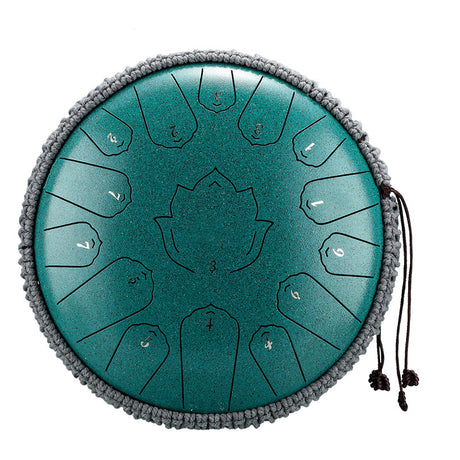
- Medium (10-12 inches, 11-13 Notes): This is the Golden Standard for 80% of users. A 12-inch drum provides enough resonance chamber volume for deep bass notes and enough surface area for 11 to 13 tongues. This range allows you to play complex pop songs and healing compositions.
- Large (13-15 inches, 15+ Notes): For the serious player. Hluru’s 15-note models, for example, cover two octaves. This allows for intricate chords and melody/harmony separation, similar to a piano or handpan.
Hear the Difference?
The difference between an 8-note and a 15-note drum isn't just volume—it's emotional depth. Not sure which suits you? Listen to our comparison samples.
2. Material Science: Carbon Steel vs. Titanium Alloy
Sound is vibration, and the material vibrating determines the "color" of the sound (Timbre). In 2025, high-end manufacturing has shifted towards specialized alloys.


Standard Carbon Steel: Used in budget models. The sound is crisp but can be "dry." It is prone to what we call "iron noise"—a metallic ping that interferes with the pure note.
Steel-Titanium Alloy (Hluru Standard): Adding titanium reduces the material's internal damping. The result is a sound that is warm, clear, and has a long sustain (like a singing bowl). It is also highly resistant to corrosion, meaning your drum won't rust in humid climates.
3. Scales & Frequencies: Setting the Mood
Unlike a guitar, a tongue drum is fixed to a specific scale. You cannot play "wrong" notes, which makes it perfect for beginners, but you must choose the vibe you want.
- C Major / D Major: Bright, happy, and uplifting. Best for children's education and upbeat songs.
- D Minor: Deep, emotional, and introspective. This is the most popular scale for sound healing and meditation. It resonates with water elements and relaxation.
- 432Hz vs. 440Hz: Standard music is tuned to A=440Hz. However, many therapists prefer 432Hz (the "Verdi tuning" or "Earth frequency"). If you play alone for meditation, choose 432Hz for a softer, more grounded feeling. If you play with a piano or guitar, you must choose 440Hz to be in tune.
| Model Type | Scale / Notes | Best For... | Price Range |
|---|---|---|---|
| Mini Series (6") | 8 Notes (Major) | Kids, Hiking, Novelty Gifts | $20 - $50 |
| Standard (12") | 11-13 Notes (C/D Major) | Beginners, General Music | $80 - $150 |
| Pro Series (13-14") | 15 Notes (D Major/Minor) | Healing, Complex Performance | $150 - $300 |
4. Craftsmanship: The Invisible Details
Two drums can look identical but sound completely different. This comes down to the Annealing Process. At Hluru, we subject our drums to high-temperature heat treatment followed by slow cooling. This relieves internal stress in the metal.
Why does this matter? A drum that isn't properly annealed will go out of tune within a few months. A properly crafted drum will hold its pitch for years. Additionally, look for electroplating paint rather than simple spray paint. Electroplating creates a protective layer that vibrates with the drum, rather than muffling it.
5. Expert Recommendations: Which One is For You?
To summarize my 30 years of experience into a simple buying guide:
The "I'm Stressed" Buyer: Go for a 13-inch, 15-note drum in D Minor. The extra notes allow for flowing improvisation without thinking, and the minor scale instantly calms the nervous system.
The "Total Beginner" Buyer: A 12-inch, 11-note drum in C Major or D Major. It is versatile, easy to find sheet music for, and sounds great immediately.
The "Musician" Buyer: Do not go smaller than 14 inches. You need the full chromatic capabilities or the double-octave range of a 15-note drum to feel satisfied.
Conclusion
Choosing a tongue drum is a personal journey. It is about finding a voice that speaks to your inner self. Whether you choose the bright joy of a C-Major drum or the deep introspection of a D-Minor Titanium Alloy model, the most important thing is that you start playing. The vibration of the steel has the power to heal—you just need the right instrument to unlock it. Explore the Hluru collection today and find your rhythm.