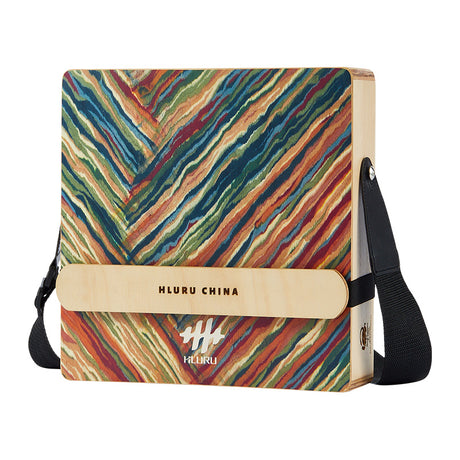
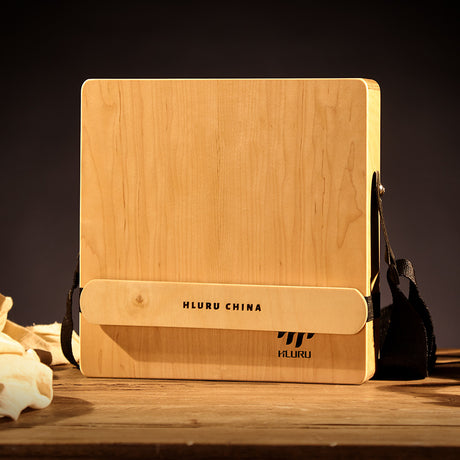
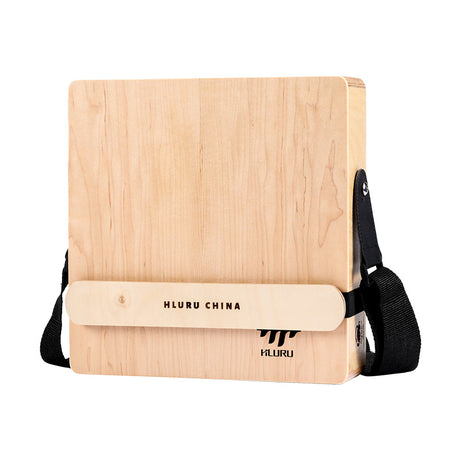
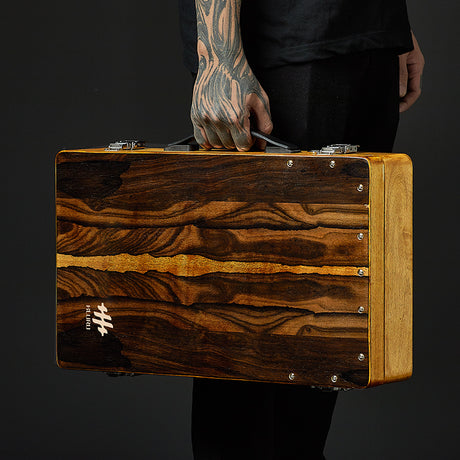
If you’ve ever watched a live acoustic performance — whether on a small café stage, a street performance video, or an unplugged session online — you’ve probably noticed something.
There’s a guitarist. There’s a singer. And right next to them, almost without exception, there’s a cajón.
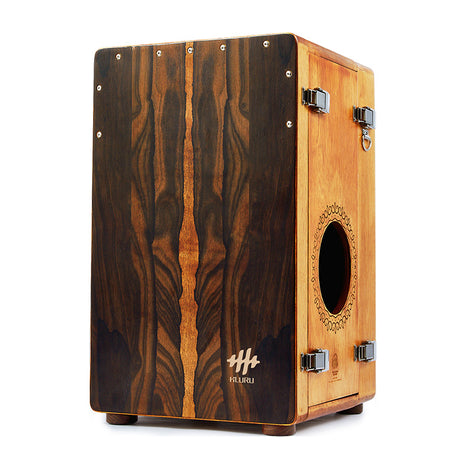
Not a full drum kit. Not bongos. Not a shaker-heavy setup. Just a wooden box that someone is sitting on and tapping casually — yet somehow the whole song feels complete.
This isn’t a trend that appeared overnight. The cajón earned its place in guitar-and-vocal music for very practical reasons. And once you understand those reasons, it’s hard to imagine acoustic music without it.
1. The Cajón Fills the Rhythm Gap Without Stealing the Spotlight
A solo guitar can carry harmony and melody beautifully. What it often lacks, though, is a solid sense of pulse.
Listeners may not consciously notice it, but without a rhythmic anchor, songs can feel like they’re floating.
The cajón steps in quietly and says, “I’ve got the time — you just sing.”
Unlike a drum kit, the cajón doesn’t demand attention. It supports the groove without pulling focus away from the lyrics or the guitar.
That balance is exactly what acoustic music needs.
2. It Matches the Acoustic Volume Naturally
Acoustic performances live in a delicate volume range. Too loud, and the intimacy disappears. Too soft, and the energy fades.
Traditional drums are often designed to project — which is great in rock bands, but risky in acoustic settings.
The cajón, by contrast, naturally sits in the same dynamic space as an acoustic guitar. You don’t need to fight it with microphones or heavy damping.
Even unamplified, it blends. That’s rare — and incredibly valuable.
3. One Player, Many Drum Sounds
At first glance, a cajón looks almost too simple. One box. One surface.
But experienced players know that it’s more like a compact drum kit.
The center produces bass. The upper corners deliver crisp snare-like slaps. The edges offer lighter textures.
Bass drum and snare — right where your hands already are.
For guitar-and-vocal arrangements, this is more than enough. It provides structure without clutter.
4. It Visually Fits the Acoustic Aesthetic
Acoustic performances are as much about mood as sound. Wood, simplicity, and human touch matter.
A full drum kit can feel visually overpowering in small venues. A cajón feels… human.
The performer sits down. The audience relaxes. Everything slows just enough to feel personal.
This visual calm reinforces the emotional tone of acoustic music.
5. It’s Incredibly Portable (And That Matters More Than You Think)
Many acoustic gigs happen in places not designed for bands: cafés, bookstores, house shows, sidewalks.
Dragging a drum kit into those spaces is often impractical.
A cajón, on the other hand, is its own seat. No stands. No cases. No setup time.
Fewer obstacles mean more music actually happens.
6. It Leaves Space for Lyrics to Breathe
Guitar-and-vocal music is often lyric-driven. The words matter.
Overly busy percussion can fight with storytelling.
The cajón naturally encourages restraint. Its sound decays quickly, leaving room for vocals to land.
That space is emotional oxygen.
7. It Encourages Musical Listening, Not Just Playing
Cajón players in acoustic settings tend to listen more than they hit.
Instead of powering through fixed patterns, they respond to the singer’s phrasing and the guitarist’s dynamics.
This conversational approach is a big reason why cajóns work so well in intimate music.
So… Why the Cajón, Really?
The cajón didn’t become popular in acoustic music because it was trendy. It became popular because it solved real problems.
It adds rhythm without noise. Structure without stiffness. Energy without aggression.
In guitar-and-vocal music, that balance is everything. And once you hear it, it’s hard to un-hear.