春節特賣,結帳享 10% 折扣! --> 瞭解更多

訂單滿 59 美元即享免費配送 →瞭解更多

免稅(偏遠地區除外)

春節快樂

多重優惠, 享受九折及更多優惠

17-Key vs. 21-Key Kalimba: Do You Really Need the Extra Keys?

17-Key vs. 21-Key Kalimba: Do You Really Need the Extra Keys?

Kalimba Masterclass 2026

In the vibrant world of 2026 musical trends, the Kalimba—often called the "thumb piano"—has transitioned from a niche hobby to a mainstream instrument for wellness, content creation, and professional performance. However, as you browse the latest collections at HLURU.net, you will face a fundamental choice: the classic 17-key model or the increasingly popular 21-key professional model.

For a beginner, "more" might seem "better," but in the world of acoustic instruments, extra keys bring extra complexity. Today, we break down the technical, musical, and ergonomic differences to help you decide which configuration matches your journey.

1. The Technical Breakdown: Range and Scale

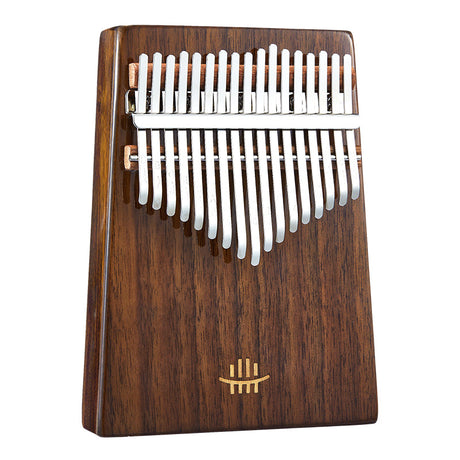
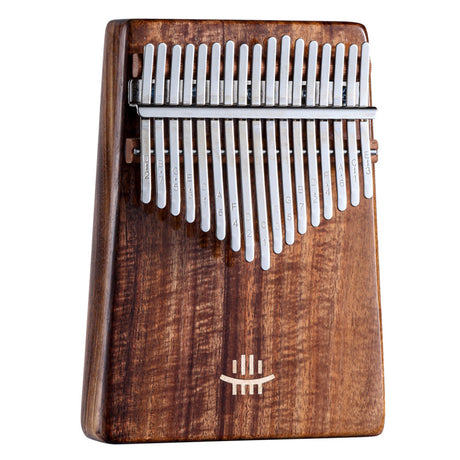
The primary difference lies in the musical range. A standard 17-key Kalimba is typically tuned to the C Major scale, ranging from C4 to E6. It provides exactly what you need for most folk songs, pop melodies, and lullabies.

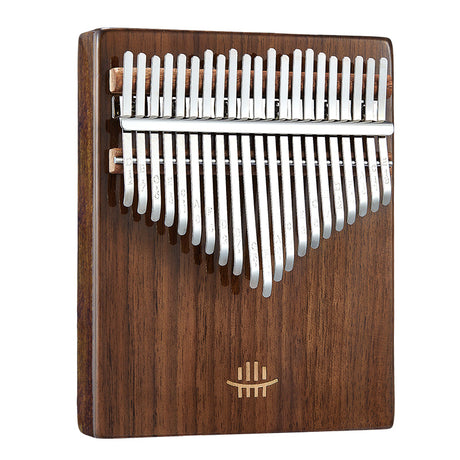
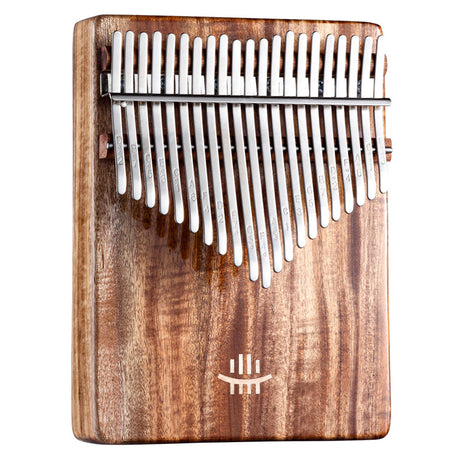
The 21-key Kalimba, however, expands this range downward. It adds four lower notes (usually F3, G3, A3, and B3). While four notes might sound minor, they change the "voice" of the instrument entirely. Those lower frequencies provide a richer, more resonant "bass" foundation that was previously missing from the Kalimba's sonic palette.

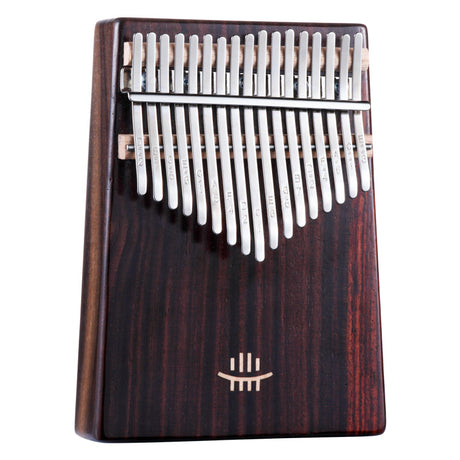
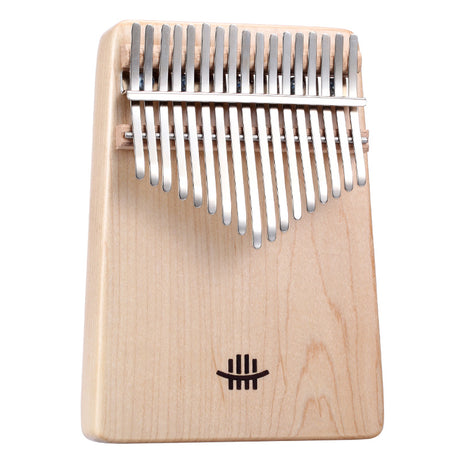
17-Key Kalimba

  • Range: C4 to E6
  • Focus: Melody and high-pitched clarity.
  • Best For: Beginners, children, and simple pop covers.
  • Portability: Slightly lighter and more compact.

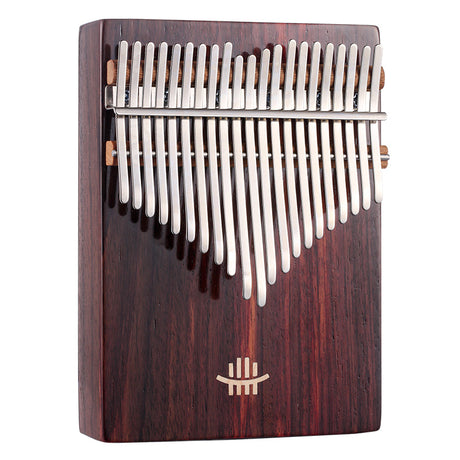
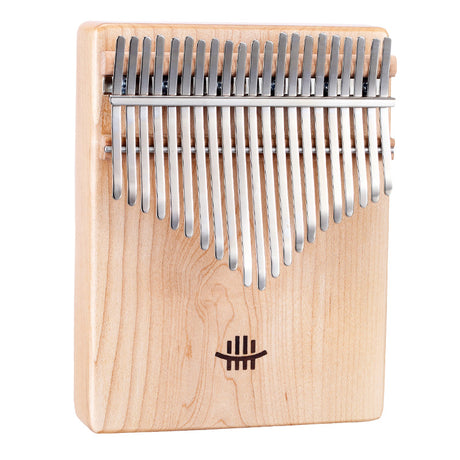
21-Key Kalimba

  • Range: F3 to E6
  • Focus: Full harmony and bass support.
  • Best For: Professional covers, classical music, and arrangers.
  • Portability: Wider body to accommodate more tines.

2. Repertoire: What Can You Play?

This is where the decision becomes practical. In 2026, the Kalimba community has shifted toward complex arrangements of movie soundtracks (Studio Ghibli, Disney) and intricate classical pieces (Bach, Chopin). Many of these arrangements require those extra low notes to fill out the harmony.

"If you find a beautiful song on YouTube or TikTok and the player is using a 21-key model, you simply cannot play that exact arrangement on a 17-key model without transposing it, which often loses the 'soul' of the bass line."

The "Standard" Advantage

Most Kalimba tabs (numbered notation) found online are written for 17 keys. If you are a casual player who just wants to follow a quick tutorial, the 17-key model is the universal standard. You will never have to worry about "missing" a note in a standard tab book.

The "Professional" Advantage

If you enjoy creating your own arrangements or playing along with a piano, the 21-key model offers more musical freedom. It allows you to play more songs in their original keys without needing to retune your instrument constantly.

3. Ergonomics: The HLURU Design Innovation

One common concern with 21-key Kalimbas is that they can feel "cluttered." As you add more tines, the spacing can become tight, leading to "accidental plucking."

At HLURU, we solved this for our 2026 collection by implementing Hand-Friendly Wide Tines. Our 21-key models feature a slightly wider body and precision-curved keys that guide your thumbs. We also use a "tiered" or "downward-stepped" design for the extra lower keys in some models, making them physically easier to reach without looking down.

4. Tone and Resonance

Because a 21-key Kalimba usually has a larger body to accommodate the extra tines, it naturally has a larger resonant chamber (for hollow models) or more mass (for solid models). At HLURU, our 21-key Beech and Resin hybrid models are specifically engineered to handle the lower F3 frequency without sounding "muddy." The extra wood mass provides a warmer, more sustain-heavy tone that many professional players prefer.

HLURU Pro Tip: Solid vs. Hollow

If you choose a 21-key model, we highly recommend a Solid Plate (Flat Board) Kalimba. The extra keys on a hollow box can sometimes create unwanted "wolf tones" or dead tines. A solid plate, like our 2026 Walnut or Maple series, ensures that every single note from F3 to E6 rings with equal clarity and sustain.

5. The Final Verdict: Which One Should You Buy?

You should choose a 17-Key Kalimba if:

  • You are a total beginner who wants the easiest learning curve.
  • You prioritize portability for travel and outdoor sessions.
  • You only want to play simple, recognizable melodies.
  • You are buying a gift for a child or a casual hobbyist.

You should choose a 21-Key Kalimba if:

  • You already play piano or another instrument and understand harmony.
  • You want to play professional-grade arrangements found on social media.
  • You prefer a deeper, more "soulful" sound with more bass.
  • You want an instrument that you won't "outgrow" as your skills improve.

6. Why HLURU? The 2026 Standard

Whether you choose 17 or 21 keys, the quality of the steel and the seasoning of the wood are what determine the instrument's life. HLURU.net uses high-manganese alloy steel for our tines, ensuring they stay in tune for months, not days. Our 2026 models also feature laser-etched notes on every tine, so you never lose your place, regardless of how many keys you have.

The Kalimba is a journey into inner peace. Whether that journey requires 17 steps or 21 is entirely up to you. Explore our collection today and find the resonance that matches your heart.

以前的 下一步

發表留言

請注意:評論在發布之前必須獲得批准。