
調音核心原則
- 琴鍵物理原理: 較長的琴鍵產生較低的低音;較短的琴鍵產生較高的高音。
- 向下輕敲(加長): 降低音高(修正偏高音符)。
- 向上輕敲(縮短): 升高音高(修正偏低音符)。
卡林巴琴,又稱拇指琴,透過金屬琴鍵的振動產生聲音。這些琴鍵固定在琴身上,長度各異以產生不同音調。較長的琴鍵通常位於中央,產生較深的低音;兩側較短的琴鍵則產生較高的高音。正確的調音對於達到最佳演奏效果至關重要。
本完整指南詳細說明每個步驟,包括常見挑戰與精準調音的專業技巧。
1. 準備物品
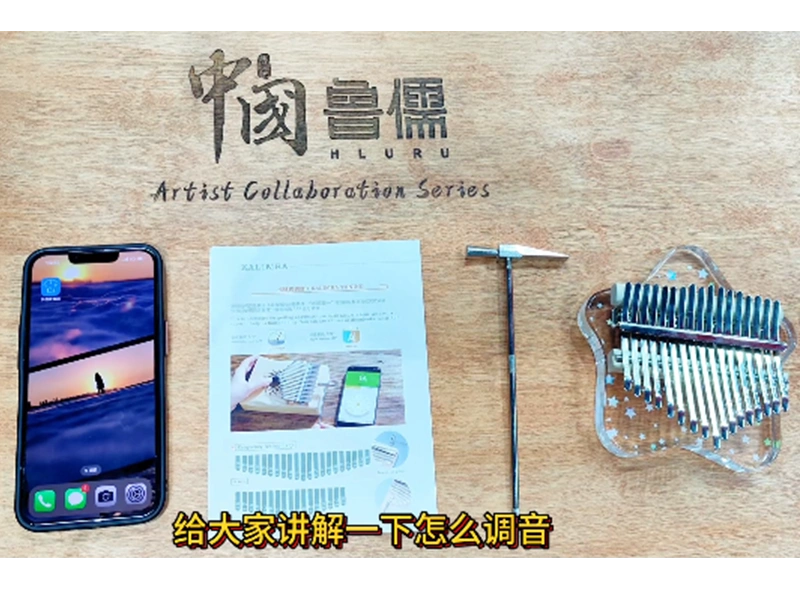
開始前,請準備以下必備工具,以確保精準度並使調音過程順暢高效:
- 卡林巴琴: 樂器本身(17鍵或21鍵)。
- 調音應用程式: 可偵測聲音頻率與音符的手機應用程式(例如:Pano Tuner、Tunable)。
- 調音槌: 專為輕敲卡林巴琴鍵設計的小型金屬工具。
- 卡林巴琴調音對照表: 正確音符與頻率的參考指南。
2. 步驟一與二:測量與比對
首先,開啟手機上的調音應用程式,並將卡林巴琴靠近手機麥克風。
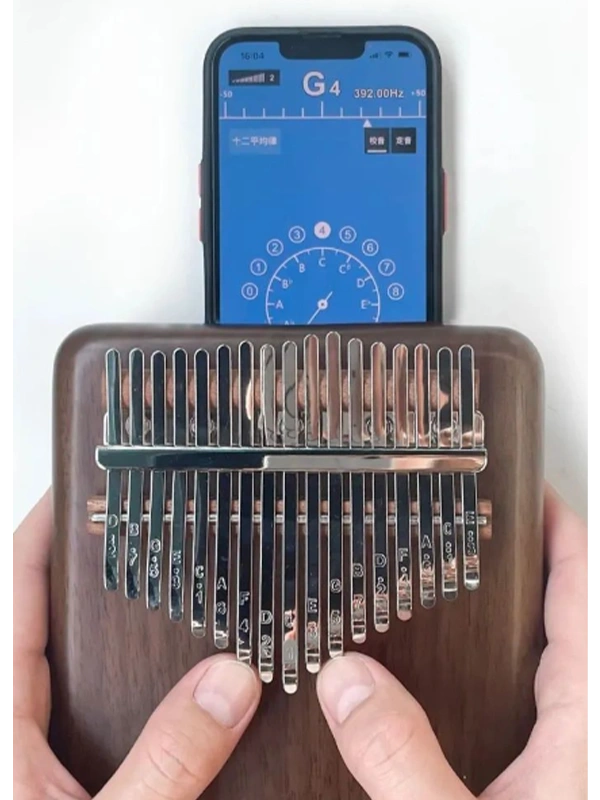
開始用拇指撥奏琴鍵。從 中央琴鍵 開始,向兩側對稱進行。此順序對於保持一致性與條理性非常重要。
確保應用程式準確捕捉每個琴鍵的聲音,持穩卡林巴琴以減少背景噪音。
與對照表比對
查看調音應用程式的顯示,確認正在演奏的音符,並與您的對照表比對。
專業提示: 若應用程式顯示不穩定的讀數(音符波動),請改參考 頻率數值 。例如,標準A4音符應顯示440 Hz的頻率。
3. 步驟三:使用調音槌調整
這是最關鍵的步驟。一旦確認差異,請使用調音槌實際移動琴鍵。
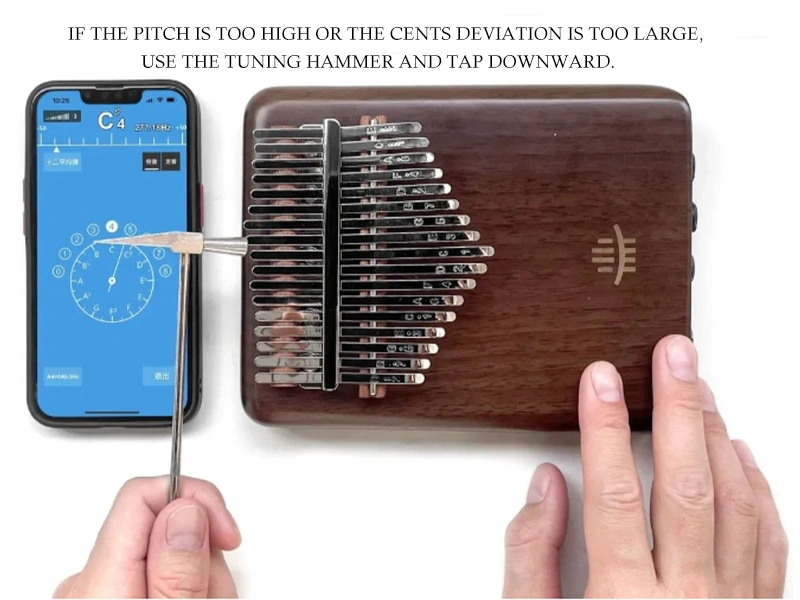
使用調音槌輕輕向下敲擊琴鍵的 頂部 。這會增加琴鍵的振動長度,降低音高。
若音符過低(偏低 b)向上敲擊琴鍵的 底部 。這會縮短振動區段,升高音高。
新手快速檢查: 卡林巴琴的音符遵循C大調音階(C、D、E、F、G、A、B)。若應用程式顯示的音符早於預期順序,則音調偏高;若晚於預期順序,則音調偏低。
Recommended Products

魯儒 黑胡桃木半音階卡林巴琴 24 鍵 B 和 C 大調拇指琴,音域寬廣 適合專業演奏 - A 級生命之樹
特徵 :這款 24 鍵黑胡桃木半音卡林巴琴具有 B 和 C 大調音階,可滿足初學者和專業演奏者的需求。無論您是剛起步還是已有音樂經驗,您都能夠快速演奏出美妙的旋律並享受音樂創作的過程。 :獨特的「生命之樹」設計與優質黑胡桃木材料相結合,使這款卡林巴琴成為音樂愛好者和藝術收藏家的理想禮物。它不僅僅是一種樂器;它像徵著生命與自然之間永恆的聯繫,使它成為有意義且貼心的禮物。 :這款卡林巴琴採用優質黑胡桃木製成,經久耐用,音色深沉、有層次。黑胡桃木獨特的紋理和自然色澤增強了樂器的溫暖和優雅,確保每個音符都清晰、明亮、富有表現力,適合各種音樂風格。 :琴板上精美雕刻的「生命之樹」圖案,象徵永恆的生命和與自然的和諧,賦予樂器藝術氣息和深刻的情感意義。每次玩耍時,都會喚起一種對生命的連結感和對大自然的敬畏感。 :這款 24 鍵卡林巴琴具有 B 和 C 大調音階,可發出寬廣的音調和清晰、洪亮的聲音。它非常適合演奏各種風格的音樂,特別是冥想、瑜伽和音樂療法,具有鎮靜和舒緩的效果。 :卡林巴琴音符組合豐富,音域寬廣,音質更飽滿、更有活力,非常適合表達複雜的旋律和和弦。它滿足更高級玩家的需求,非常適合更深入的音樂探索。 音色溫暖,非常平衡,延音適中,有很多調諧的泛音。 精湛的壓花工藝,下排可調音孔為音鍵設計,方便上下排調音。同時專門開發的HRC50以上的中高硬度音鍵及合理的鍵高。是目前市面上唯一一款完美的24音產品,高音無噪音、靜音。 不同批次的木材顏色可能會有小差異,敬請見諒。 規格 上排:E3、F#3、G#3、A3、F4、G4、A4、G#5、A5、B5、C#6、D#6 下排:B3、C#4、D#4、E4、F#4、G#4、A4、B4、C#5、D#5、E5、F#5 上排:F3 G3 A3 B3 #F4...

5鍵迷你卡林巴琴,適合音樂療法與舒壓|櫻桃木柔和音色 Hluru
特點 高級工藝 作為Perfection Season系列的一部分,這款迷你卡林巴琴採用緊湊的櫻桃木琴身,融合了自然的耐用性與柔和的共鳴。其光滑、適合兒童的表面處理以及精確的琴鍵排列展現了細緻的工藝,確保在治療環境中安全且舒適的使用體驗。 柔和的音質 5個調音鍵產生柔和的旋律音調,非常適合用於音樂治療。櫻桃木固有的溫暖感豐富了聲音,帶來舒緩且平易近人的質感,能安撫情緒並鼓勵參與,非常適合促進放鬆與情感表達。 治療為重點的設計 簡化的5鍵佈局讓各技能水平的使用者都能輕鬆創作出舒緩的旋律,支持情感釋放與連結。其迷你尺寸可輕鬆握於手中,非常適合個人或指導式治療課程,透過易於上手的演奏提升自信。 便攜且實用 超輕量且緊湊,方便攜帶至治療室、診所或家庭環境。堅固的櫻桃木結構確保持久的性能,彰顯 Perfection Season Series 在治療用途中對可靠性的承諾。 請注意:木材的顏色在不同批次之間可能會有些許差異,感謝您的理解。規格 品牌:魯儒 材料:櫻桃木 規模範圍:5個關鍵點 語調:五聲音階、G小調、G大調、F大調 包裝尺寸:11.5*12.5*3.8公分 包裝重量:0.2 公斤 調諧 五個音 D5 A4 G4 C5 E5 ...

魯儒 刺槐木 17/21鍵卡林巴琴 - 專家調音 底部開孔
您的瀏覽器不支援內嵌框架 特色 輕鬆上手只需5分鐘即可學會一首歌曲。下單後,您將收到詳細的演奏說明與技巧,幫助您快速掌握基礎。適合兒童、成人初學者及音樂愛好者。 理想禮物提供多種木材選擇(楓木、相思木、玫瑰木、胡桃木),這款卡林巴琴兼具優美音質與精緻外觀,是送給親朋好友的完美禮物。無論是生日、節日或特別場合,都能帶來驚喜與歡樂。 多種木材選擇卡林巴琴的音質會因木材不同而有所差異。楓木、相思木、玫瑰木、胡桃木各自呈現獨特的音色特質。無論您偏好明亮清脆、溫暖飽滿,或深沉層次的共鳴,都能找到適合的選擇。 底部音孔設計底部音孔設計能提升音量與共鳴效果,使音符更清晰、泛音更豐富。此設計帶來更飽滿、更具層次的聲音效果,每次演奏都能帶來全新的聆聽體驗。 卓越音質每支卡林巴琴都經過精細調音,確保音符準確、旋律優美。無論演奏輕柔旋律或節奏強烈的樂曲,都能產生美妙動人的共鳴聲,提升您的音樂體驗。 精湛工藝每支卡林巴琴皆由經驗豐富的工匠精心製作,注重每個細節,採用優質材料。精湛工藝確保音準穩定、音質卓越。兼具美觀設計與出色性能,滿足專業人士與愛好者的需求。 這款卡林巴採用了尾部音孔的專利設計(美國專利號:US D939624 S/歐盟專利號:008311799-0001),是HLURU獨有的共鳴腔設計。演奏時,聲音透過琴鍵傳遞至琴身,並直接從琴尾發出,減少多餘反射,獲得較為純淨的音色。為了追求更純淨的音質,Hluru工程師在共鳴箱左右兩側設計了鋸齒回音結構,使共鳴聲音更加均衡純粹。此外,尾部音孔設計讓您在演奏時無需用手指操作不便的哇音效果,只需將卡林巴前後移動貼近身體,即可輕鬆產生美麗的「Wa」音效。 規格 品牌:Hluru 材質:沙比利木 音階範圍:17音、21音 調性:C大調 包裝尺寸:22.5*16*7.5cm 包裝重量:0.65-0.82 公斤 音階調音 17音:C大調 C4 D4 E4 F4 G4 A4 B4...

【可雕刻】華蜀 17/21鍵亞克力C大調卡林巴琴,用於放鬆 - 貓爪
您的瀏覽器不支援內嵌框架。 特色 輕鬆上手:只需5分鐘即可學會彈奏一首歌曲。下單後,您將收到簡單易懂的指南與技巧,讓您在短短5分鐘內就能彈奏歌曲。無論是初學者或專業人士、兒童或成人皆適合。 理想禮物:採用可愛的「貓掌」設計,這款卡林巴散發出俏皮溫馨的氛圍,是送給朋友、貓咪愛好者或音樂愛好者的完美禮物。它能帶來愉悅的演奏體驗,並與收禮者建立深厚的情感連結。 優質壓克力材質:壓克力材質既耐用又能產生明亮清澈的音色。透明設計讓精緻的工藝一覽無遺,使每次演奏都令人享受且滿足。 貓掌設計:卡林巴表面飾有可愛的「貓掌」圖案,增添溫馨親切的感覺。此設計提升了樂器的個性,使其成為一件迷人的藝術品,非常適合展示或作為裝飾擺設。 音質表現:這款卡林巴的17/21鍵能產生明亮清澈的聲音,層次豐富,適合多種音樂風格。無論您是初學者還是資深演奏者,都能享受它帶來的悅耳聽覺體驗。 精湛工藝:每支卡林巴都經過精心調音與打磨,確保音符清晰準確。無論演奏簡單旋律或較複雜的樂曲,都能輕鬆駕馭,享受高品質的演奏體驗。 :壓克力琴外觀更加美觀,價格通常較為實惠,不易沾染灰塵與污漬,且非常容易清潔。因此特別適合作為兒童的音樂啟蒙禮物。 規格 品牌:Huashu 材質:壓克力 音階範圍:17鍵與21鍵 調性:C大調 包裝尺寸:18.5 × 18.7 × 5.5 公分 包裝重量:0.9 公斤 音階調音 17音:C大調 C4 D4 E4...
4. 第四步:常見問題排除
即使使用正確技巧,您仍可能遇到一些聲學挑戰。以下為解決方法:
- 共振現象: 彈撥某個音符時,鄰近琴鍵可能會產生共振,導致讀數不正確。調音時,請用手指輕壓相鄰琴鍵使其消音,以避免此問題。
- 應用程式靈敏度: 部分調音應用程式在嘈雜環境中可能會有困難。請務必在安靜的房間內進行調音。
- 大幅調整: 如果琴鍵音準偏差較大,請逐步調整(輕輕敲擊),避免過度校正。
5. 第五步:微調與確認
調整完每個琴鍵後,請再次檢查整套琴鍵。彈撥每個音符並與調音對照表比對,確認所有音符的名稱與頻率都相符。
其他保養建議:
1. 定期檢查: 隨著時間推移,琴鍵可能會因演奏或存放環境而略微移位。
2. 勿過度鎖緊: 如果您的卡林巴琴有可調式螺絲,請確保螺絲固定牢靠但沒有滑牙。
結論
卡林巴琴調音初學時可能看似困難,但透過練習與正確工具,將會變得輕鬆簡單。遵循這些步驟,您就能確保卡林巴琴發出優美渾厚的聲音。將調音納入您的日常卡林巴琴保養習慣,您就能隨時享受最佳表現的樂器。