黑色星期五特賣,結帳享 10% 折扣! --> 瞭解更多

訂單滿 59 美元即享免費配送 →瞭解更多

免稅(偏遠地區除外)

黑色星期五

多重優惠, 享受九折及更多優惠

Why Are Some Cajóns Muddy in the Low End While Others Sound Clean? How to Hear the Difference and Choose Wisely

Why Are Some Cajóns Muddy in the Low End While Others Sound Clean? How to Hear the Difference and Choose Wisely

A simple, beginner-friendly guide to understanding low-end quality in cajóns — and how to choose the right one.


1. What Does “Muddy Bass” Mean?

When people say a cajón sounds muddy, they mean the bass is:

  • not clear
  • too boomy or “blurry”
  • hard to separate from the slap sound

A clean bass feels punchy, focused, and easy to control. It works much better on stage, in recordings, and even for home practice.

2. Why Do Some Cajóns Sound Muddy?

The main reason is simple: different cajóns are built differently. These 4 factors affect bass clarity the most:

(1) Tapa (Front Plate) Thickness

If the front plate is too thick or heavy, the sound reacts slower, and the bass becomes “blurry.” If the plate is too thin, it can vibrate too much and create noise or unwanted buzz.

Most clean-sounding cajóns use a tapa around 2.5–3.0 mm.

(2) Sound Hole Size

A small sound hole tends to make the bass warmer but sometimes muddy. A larger hole gives a faster, clearer bass.

(3) Box Structure (Inside the Cajón)

Good cajóns have:

  • strong internal bracing
  • good-quality wood
  • a well-tuned cavity (the empty space inside)

A poorly built box will vibrate too much inside, causing a muddy low end.

(4) Snare System

Snares add high-frequency “sparkle.” This can make the bass feel clearer because the ear can separate bass and slap more easily. Cheap snares or bad installation can make both high and low frequencies messy.

3. How to Quickly Tell If a Cajón Has Clean Bass

When testing a cajón, try this simple checklist:

  • Hit the center — does the bass feel tight and punchy?
  • Listen for ringing — too much “wooomm” = muddy.
  • Try a quick bass–slap–bass pattern — do the sounds stay separated?
  • Check the back hole — very small = warmer but less clear.
  • Tap the sides — if they vibrate too much, the bass will be messy.
Quick rule for beginners: If the bass sounds like “boommmm,” it’s muddy. If it sounds like “thump,” it’s clean.

4. What Type of Cajón Should Beginners Buy?

As a beginner, you’ll want a cajón that’s:

  • easy to play
  • has clear bass (not too boomy)
  • stable and durable
  • has a snare for more fun and versatility

Avoid very cheap models with thick or poorly made front plates — they often sound muddy and are harder to learn on.

5. Recommended Beginner-Friendly Cajón

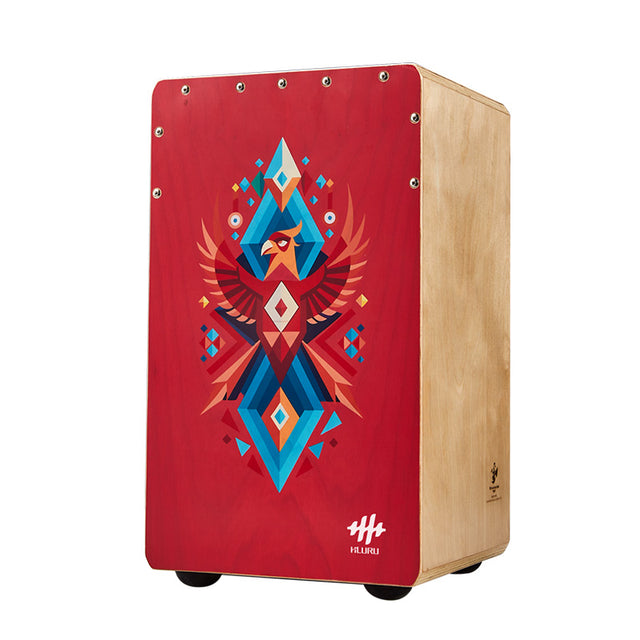
Vermilion Bird Youth Cajon

HLURU Vermilion Bird Series — Youth Basic Cajón

Price: 209.99 USD

Key Features:
• Material: Ash front plate + Russian Birch body
• Snare: Guitar Snare TRE06 (clear and sensitive)
• Package Size: 34 × 33 × 54 cm
• Weight: 4.8 kg

This model is great for beginners and young players. The tapa responds quickly, the bass is clean—not muddy—and the snare gives a fun, bright sound.

View Product

6. Final Tips for Beginners

  • A little boom is normal; too much means poor build quality.
  • Always test bass and slap separately.
  • The best cajón is the one that feels comfortable and inspires you to play.

With a bit of listening practice, you’ll quickly learn to tell a muddy cajón from a clean one — and make smarter buying choices.

以前的 下一步

發表留言

請注意:評論在發布之前必須獲得批准。