Índice
- Introducción: Un sonido que sana
- ¿Qué es exactamente un tambor de lengua de acero?
- La historia de "Hank": de propano a percusión
- Raíces antiguas: los antepasados de madera
- La evolución: por qué los tambores modernos suenan mejor
- Por qué conquistó el corazón del mundo
- Conclusión y Preguntas Frecuentes
De tanques de propano a la paz interior: la fascinante historia del tambor de lengua de acero
🎧 Escucha el sonido de la tranquilidad:
Cierra los ojos y escucha. El sonido es etéreo, similar a una campana, y de inmediato tranquilizador. Se siente como si la filosofía zen antigua se hiciera audible. Sin embargo, quizás te sorprenda saber que el Tambor de lengua de acero—que ahora es un elemento básico en estudios de yoga y espacios de meditación en todo el mundo— en realidad es una invención muy moderna con una historia de origen sorprendentemente humilde.
¿Cómo evolucionó un tanque industrial desechado en uno de los instrumentos musicales más accesibles del planeta? Vamos a sumergirnos en el recorrido del tambor de lengua.
¿Qué es exactamente un tambor de lengua de acero?
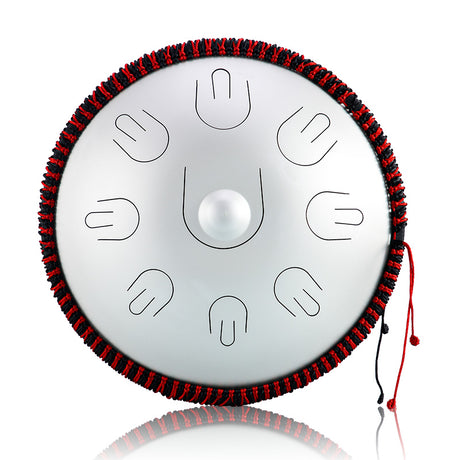
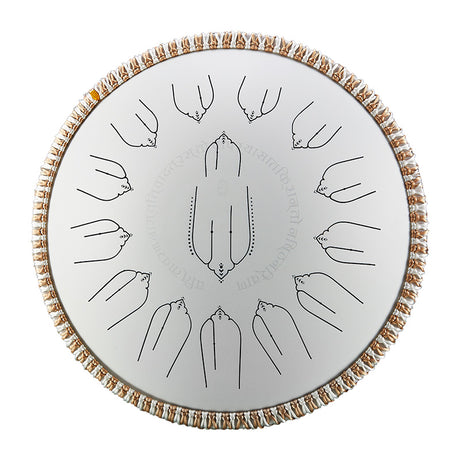
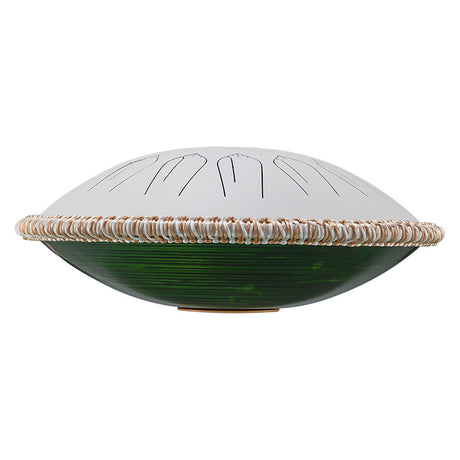
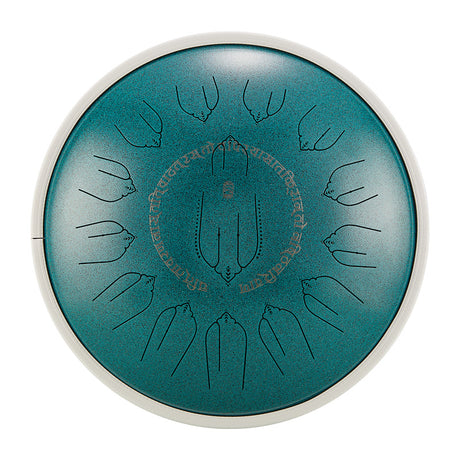
Antes de mirar la historia, entendamos el instrumento. Un tambor de lengua de acero (a menudo simplemente llamado "tanque") es un instrumento de percusión en la idiófono familia. Esto significa que todo el instrumento vibra para crear sonido.
Presenta "lenguas" precisas cortadas en la parte superior de una cámara metálica hueca. Cuando golpeas una lengua, vibra a una frecuencia específica. Pero aquí está la magia: a diferencia de un piano donde una tecla produce una nota, un tambor de lengua a menudo genera armónicos armoniosos a partir de las lenguas circundantes.
¿El resultado? Es casi imposible tocar una "nota equivocada". Esta característica lo convierte en el punto de entrada perfecto para quienes no son músicos y buscan relajación.
La historia de "Hank": de propano a percusión
Mientras que las culturas antiguas tenían conceptos similares (que discutiremos a continuación), el tambor de lengua moderno nació en 2007 de la mente de un músico y aficionado estadounidense llamado Dennis Havlenaen crema o óxido profundo para resaltar los
En ese momento, el mundo estaba fascinado por el Hang Drum (o Handpan), una invención suiza que era increíblemente cara y difícil de adquirir. Havlena quería crear un sonido similar pero accesible para todos.
El momento "¡Ajá!":
Havlena tomó un tanque de propano vacío de 9 kilogramos, lo volteó y cortó lenguas en la parte inferior. Llamó a su creación el "Tambor Hank" (una combinación ingeniosa de "Hang" y "Tank").
A diferencia de los inventores comerciales que patentan todo, Havlena compartió sus planos en línea de forma gratuita. Esto dio origen a un movimiento global de bricolaje. Personas de todo el mundo comenzaron a convertir chatarra en instrumentos musicales, sentando las bases para los sofisticados y afinados tambores Hluru que ves hoy.
Raíces antiguas: los antepasados de madera
Aunque la goma. versión es nueva, el concepto tiene miles de años. El abuelo espiritual del tambor de lengua es el Tambor de ranuraen crema o óxido profundo para resaltar los
Encontrados en África, el sudeste asiático y Oceanía, los tambores de ranura estaban hechos de troncos huecos o bambú con ranuras talladas en ellos. Se usaban para comunicación a larga distancia y música ritual. El tambor de lengua de acero es esencialmente una evolución moderna y metálica de esta antigua idea de madera—reemplazando el "golpe" percusivo de la madera por la resonancia cantarina del acero.
La evolución: por qué los tambores modernos suenan mejor
Los primeros "Tambores Hank" hechos con tanques de propano reales tenían un encanto rústico y terrenal, pero tenían limitaciones. Eran pesados, propensos a oxidarse y la afinación no siempre era estable.
En la última década, fabricantes como Hluru han elevado este arte de un pasatiempo de bricolaje a una forma de arte de precisión.
- Mejora de Material: Pasamos del hierro reciclado a Aleación de Titanio Estos materiales están fusionados, lo que hace casi imposible reciclarlos. Acero al carbono. Estos materiales reducen el sonido "ping" metálico y ofrecen una sostenibilidad mucho más larga y cálida.
- Afinación de Precisión: Los láseres modernos cortan las lenguas con mediciones microscópicas exactas, asegurando escalas perfectas en afinación (como Mayor, Menor o Akebono) que permanecen en sintonía durante años.
- Anti-Corrosión: Pinturas y texturas de grado automotriz avanzado que ahora protegen el instrumento de la oxidación y le dan una estética hermosa.
Por qué conquistó el corazón del mundo
¿Por qué ha explotado la popularidad de este instrumento recientemente? En nuestro mundo digital acelerado y estresante, el Tambor de Lenguas ofrece una escapatoria analógica.
Ahora se usa ampliamente en:
- Sanación y Terapia de Sonido: La vibración del tambor se siente físicamente, ayudando a reducir las tasas de pulso y la ansiedad.
- Educación Temprana: Es prácticamente indestructible y suena bien sin importar cómo lo golpee un niño, generando confianza musical inmediata.
- Meditación y Yoga: Proporciona un zumbido de fondo constante y no distractor que ayuda a la concentración.
Conclusión
El Steel Tongue Drum es un hermoso ejemplo de la ingeniosidad humana. Conecta el ritmo antiguo de los tambores de ranura de madera con los materiales industriales de la era moderna. Comenzó como una forma de hacer accesible el mundo exclusivo del Handpan a las masas, y tuvo éxito más allá de la imaginación de cualquiera.
Hoy en día, no necesitas un tanque de propano ni una antorcha de soldar para experimentar esta magia. Solo necesitas un par de mazos y un momento para respirar.
Preguntas Frecuentes
Q: ¿El Steel Tongue Drum es lo mismo que un Handpan?
A: No. Un Handpan se toca estrictamente con las manos y tiene un campo de tono similar a una membrana. Un Tambor de Lenguas tiene "lenguas" cortadas y puede ser tocado con mazos o con las manos. Los tambores de lenguas son generalmente más duraderos y asequibles.
Q: ¿Necesito conocer teoría musical para tocarlo?
A: En absoluto. La mayoría de los tambores de lenguas están afinados en escalas "Pentatónicas", lo que significa que todas las notas suenan bien juntas. Puedes tocar de forma intuitiva sintiendo las notas.

![Compra uno y recibe otro gratis - Dúo insignia de Tongue Drum HLURU: Acero microaleado de 14" con 15 notas y Tongue Drum de 6" con 8 notas de extensión aguda [Personalizable]](http://www.hluru.net/cdn/shop/files/4314d7859af8173cfeabd2ec82606eec.png?v=1761902169&width=460)
![Compra uno y recibe otro gratis - Dúo insignia de Tongue Drum HLURU: Acero microaleado de 14" con 15 notas y Tongue Drum de 6" con 8 notas de extensión aguda [Personalizable]](http://www.hluru.net/cdn/shop/files/d18931792f42db6cad0425bb408c8fbd.png?v=1761902169&width=460)
![Compra uno y recibe otro gratis - Dúo insignia de Tongue Drum HLURU: Acero microaleado de 14" con 15 notas y Tongue Drum de 6" con 8 notas de extensión aguda [Personalizable]](http://www.hluru.net/cdn/shop/files/0ee52f9e59e0bd412f602e1aa459ff5f_d7e276e6-d00c-4b17-9b06-0013facd6adf.png?v=1761902169&width=460)
![Compra uno y recibe otro gratis - Dúo insignia de Tongue Drum HLURU: Acero microaleado de 14" con 15 notas y Tongue Drum de 6" con 8 notas de extensión aguda [Personalizable]](http://www.hluru.net/cdn/shop/files/e5142852154df54a0f8e743222a7bf5f_da0b025d-89c7-4aab-bcf2-5855a5ad8550.png?v=1761902169&width=460)
![Compra uno y recibe otro gratis - Dúo insignia de Tongue Drum HLURU: Acero microaleado de 14" con 15 notas y Tongue Drum de 6" con 8 notas de extensión aguda [Personalizable]](http://www.hluru.net/cdn/shop/files/005ae8333fa1842990565ae33f7ba822.png?v=1761902169&width=460)
![Compra uno y recibe otro gratis - Dúo insignia de Tongue Drum HLURU: Acero microaleado de 14" con 15 notas y Tongue Drum de 6" con 8 notas de extensión aguda [Personalizable]](http://www.hluru.net/cdn/shop/files/c340b9ba91df466c93fe7ac81a7586fe_a7b555a3-735a-4978-bca4-9544c28b6bcd.png?v=1761902169&width=460)
![Compra uno y recibe otro gratis - Dúo insignia de Tongue Drum HLURU: Acero microaleado de 14" con 15 notas y Tongue Drum de 6" con 8 notas de extensión aguda [Personalizable]](http://www.hluru.net/cdn/shop/files/eb7bd7f5af6ed635582c7d394eeff8bd_9469ba15-7352-4102-800c-11dc61e392d0.png?v=1761982655&width=460)
![Compra uno y recibe otro gratis - Dúo insignia de Tongue Drum HLURU: Acero microaleado de 14" con 15 notas y Tongue Drum de 6" con 8 notas de extensión aguda [Personalizable]](http://www.hluru.net/cdn/shop/files/654d7d7a6a5a883c65121abfe72ac53a_685b3d39-9c6e-40ed-8f2f-ca46a4cd519f.png?v=1761902169&width=460)