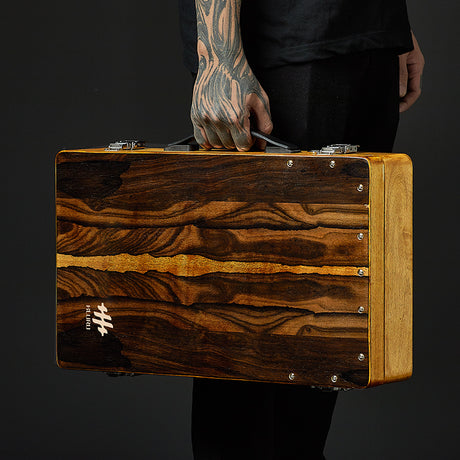
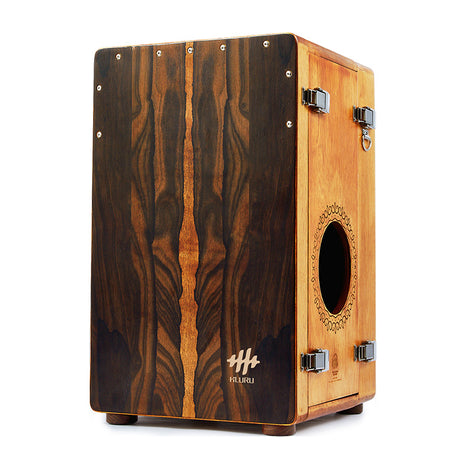
Sooner or later, almost every cajón player asks the same question: “Do cajón drums need tuning?”
You might notice screws on the front panel. You might hear someone online say, “Just tighten it and it’ll sound better.” Or maybe your cajón doesn’t sound exactly like the demo video you watched.
At that point, it’s very tempting to grab a screwdriver.
But here’s the truth many beginners don’t hear early enough: a cajón is not tuned like a guitar or a drum kit. And tightening screws without understanding what they do can easily make things worse.
First Things First: Cajóns Are Not “Tuned” in the Traditional Sense
When we talk about tuning, most people think of changing pitch — tightening a drumhead or turning a tuning peg.
A cajón works differently. There is no stretched membrane, no defined pitch system, and no standard tuning note.
Instead, a cajón produces sound through:
- Front panel flexibility
- Air movement inside the box
- Snare or string vibration (if equipped)
So when people talk about “tuning a cajón,” what they really mean is adjusting how it responds, not changing pitch.
Think of cajón screws as tone-shaping tools — not tuning pegs.
What Are the Screws on the Front Panel Actually For?
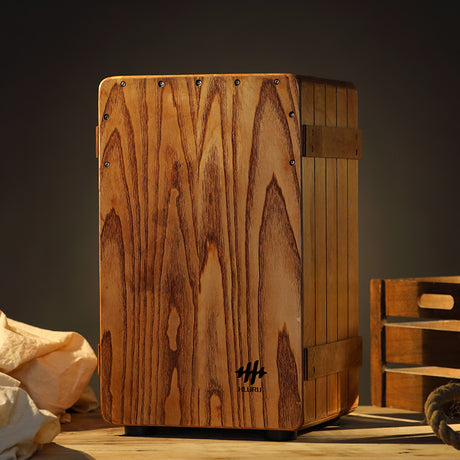
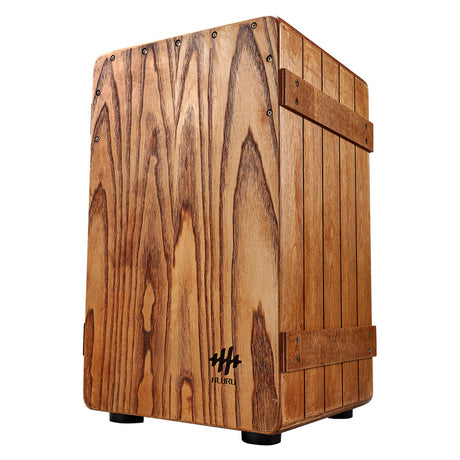
The screws around the front panel control how tightly the panel is pressed against the cajón body.
This affects three main things:
- Panel vibration – how freely the front plate moves
- Snare response – how easily the snare reacts to light hits
- Attack clarity – how sharp or soft the initial sound feels
Looser screws usually allow more vibration. Tighter screws restrict movement and create a firmer, drier sound.
Should Beginners Adjust the Screws?
For most beginners, the honest answer is: not right away.
Factory setups are usually designed to be balanced. They’re meant to work well for a wide range of players and styles.
If you’re still learning basic strokes, rhythm control, and hand placement, changing the screws too early can confuse things.
Many beginners mistake technique issues for setup problems — when in reality, the cajón is working exactly as intended.
If your hands are still learning consistency, don’t make the drum harder to understand.
When Adjusting Screws Actually Makes Sense
That said, there are moments when adjusting screws is reasonable.
For example:
- The snare sounds too aggressive for quiet settings
- The front panel rattles due to climate changes
- You want slightly more slap sensitivity after gaining experience
Even then, adjustments should be small, slow, and intentional.
Common Mistake: Over-Tightening
One of the most common beginner mistakes is tightening screws too much.
Over-tightening can:
- Reduce bass response
- Kill snare sensitivity
- Make the cajón feel stiff and unresponsive
- Increase the risk of wood damage over time
If a cajón suddenly feels lifeless after adjustment, chances are the screws went too far.
Climate Matters More Than Tuning
Many sound changes blamed on “tuning” are actually caused by humidity and temperature.
Wood expands and contracts. This affects panel tension naturally. Sometimes the drum sounds different simply because the environment changed.
Before touching screws, give the cajón time to adjust to its space.
So… Do You “Tune” a Cajón or Not?
In short: no, not in the traditional sense.
You shape a cajón’s response over time — and only after you understand what you’re listening for.
Most great cajón players spend far more time listening and practicing than adjusting hardware.
Final Advice for Beginners
If you’re new to cajón, trust the instrument first.
Learn how it reacts. Learn how your hands sound. Only then will small adjustments actually make sense.
Remember: progress comes from consistency — not from turning screws.