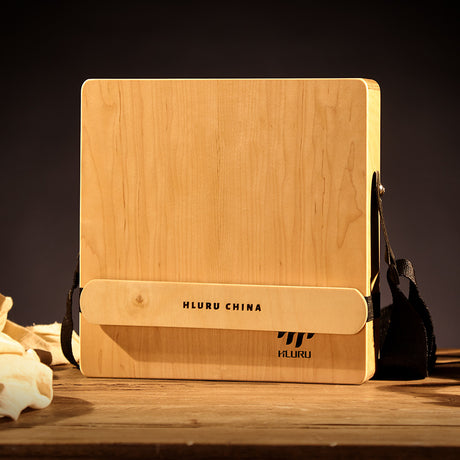
When beginners ask how to improve faster on the cajón, they usually expect practice tips. But here’s something many people don’t realize at first: the cajón itself can either help you grow — or quietly slow you down.
This isn’t about expensive gear or “professional tone.” It’s about response, comfort, and whether the drum works with you while you’re learning.
Let’s talk honestly about what kind of cajón actually helps beginners progress — based on how people really practice, not how instruments are marketed.
Progress Comes From Feedback, Not Perfection
Beginners improve fastest when they can clearly hear and feel what their hands are doing.
A cajón that responds well makes this easy. Light bass hits sound different from strong ones. Slap tones are obvious. Mistakes are clear — and that’s a good thing.
If a drum sounds muddy or inconsistent, beginners struggle to tell whether a problem comes from technique or from the instrument itself.
Clear sound = clear learning. You don’t need perfect tone — you need honest feedback.
The Best Cajón for Learning Is Comfortable First
This might sound boring, but comfort matters more than most beginners expect.
If the playing surface hurts your hands, if the edges dig into your legs, or if the seat height feels awkward, practice sessions naturally get shorter.
A beginner-friendly cajón usually has smooth edges, a balanced seat height, and a front plate that doesn’t require excessive force to produce sound.
Why “Too Loud” Isn’t Always Helpful
Some beginners think a loud cajón means a better cajón. In reality, overly loud instruments can hide technique problems.
When everything sounds big, it’s harder to notice uneven timing, weak bass control, or sloppy slaps.
A good learning cajón has dynamic range — it responds to soft and strong hits differently. This helps beginners develop control instead of just volume.
Loud doesn’t equal good. Responsive does.
Simple Construction Helps Beginners Focus
Cajóns with complex mechanisms or heavy adjustments can overwhelm beginners.
When you’re still learning basic strokes, rhythm patterns, and coordination, the last thing you need is constant tweaking.
A straightforward design lets beginners focus on timing, feel, and listening — which are the real foundations of progress.
The “Forgiving” Cajón Effect
Some cajóns are extremely sensitive and expose every tiny inconsistency. While this can be great later, it can be discouraging early on.
Beginner-friendly cajóns tend to be slightly forgiving. They still show mistakes — but they don’t punish every imperfect hit.
This balance helps beginners stay motivated while gradually improving control.
Why Expensive Doesn’t Always Mean Faster Progress
High-end cajóns often have refined tone and powerful projection. But beginners may not yet have the control to fully use those qualities.
In some cases, advanced instruments highlight weaknesses more than they help build skills.
Faster progress usually comes from consistency and comfort — not prestige.
The Cajón That Makes You Want to Sit Down and Play
This may be the most important factor of all.
The best cajón for beginners is the one that doesn’t feel intimidating. It feels friendly. Familiar. Inviting.
When practice doesn’t feel like a chore, improvement happens almost automatically.
Final Thoughts: Progress Loves the Right Partner
Beginners don’t need the loudest, most complex, or most expensive cajón.
They need a drum that responds honestly, feels comfortable, and encourages regular practice.
When the instrument supports your learning instead of fighting it, progress stops feeling like a struggle — and starts feeling natural.