🎧 Listen: The difference between a Bass hit and a Snare hit
Table of Contents
When you look at a lineup of Cajons, they all look surprisingly similar: a wooden box about 18 inches tall. But start playing them, and you will hear vastly different personalities.
Some sound like a full rock drum kit (punchy and crisp), while others sound earthy and woody. The difference lies inside the box.
If you are looking to buy your first Cajon, you don't need to know every obscure variation. You mostly need to decide between the two modern heavyweights: the Snare Cajon and the String Cajon.
The Big Debate: Snare Cajon vs. String Cajon
This is the most common decision new players face. Both are excellent, but they serve different musical styles.
1. The Snare Cajon (The "Drum Kit" Style)
What's inside: Actual snare wires (the same crinkly metal wires found under a real snare drum) pressing against the front wood.
- The Sound: Crisp, "trashy," and sharp. When you hit the top corners, it makes a distinct "Crack!" sound.
- Best For: Rock, Pop, Funk, and Hip-Hop. It mimics a standard drum kit perfectly.
- Why Buy It: If you want to play along with modern radio hits or accompany an acoustic guitar in a pub.
2. The String Cajon (The "Flamenco" Style)
What's inside: Guitar strings stretched vertically behind the front plate (Tapa).
- The Sound: Sensitive, buzzy, and responsive. It has a distinctive "sizzle" that lingers slightly after you hit it.
- Best For: Flamenco, Spanish music, and gentle acoustic Folk.
- Why Buy It: If you have a light touch and want a very sensitive instrument that reacts to even the softest finger rolls.
The Purist's Choice: Peruvian Cajon
Before wires and strings were added, there was the original Peruvian Cajon.
What's inside: Nothing! It is a sealed wooden box with an open sound hole in the back.
- The Sound: Pure, dry, and woody. Deep bass with no "buzz" or "rattle."
- Best For: Afro-Peruvian music and musicians who want a 100% natural wooden tone without any metallic interference.
Specialty Cajons: Travel & Hybrid Models
For those with specific needs, the Cajon has evolved into new shapes:
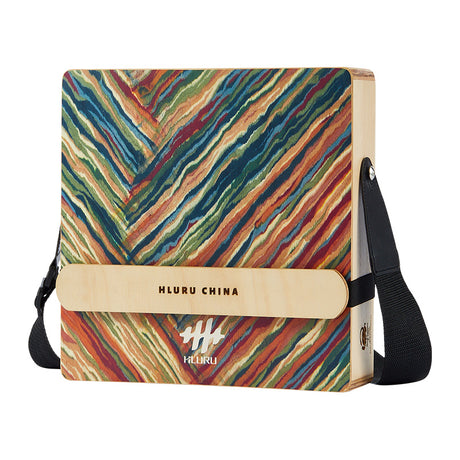
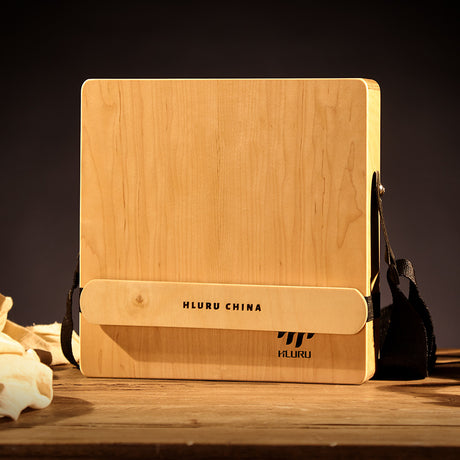
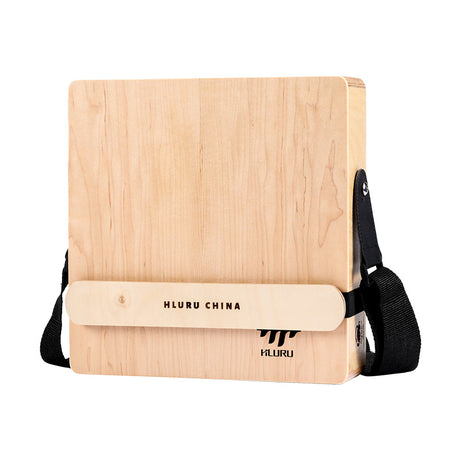
- Travel Cajon (Flat Cajon): Ideally just the "front plate" of a Cajon. It sits on your lap. Great for practice in a hotel room, but lacks deep bass.
- Bongo Cajon: A box divided into two chambers (high and low pitch). Played like bongos but with a wooden sound.
- Kid's Cajon: Same as a standard Snare Cajon, but scaled down (usually ~14 inches tall) so children can reach the floor with their feet.
Comparison Table: Sound & Genre
| Type | Internal Mechanism | Sound Character | Best Genre |
|---|---|---|---|
| Snare Cajon | Snare Wires | Crisp, Punchy, Separation | Rock, Pop, Worship |
| String Cajon | Guitar Strings | Sizzle, Sensitive, Buzzy | Flamenco, Folk |
| Peruvian | Empty (Wood only) | Dry, Deep, Warm | Traditional, World |
Quick Decision Guide
Still not sure? Here is our cheat sheet:
-
"I want to play beats for my church band or acoustic rock covers."
👉 Get a Snare Cajon. It's the most versatile. -
"I play intricate Spanish rhythms with fast finger techniques."
👉 Get a String (Flamenco) Cajon. -
"I just want a simple drum to bang on around the campfire."
👉 Either works, but a Snare Cajon is usually more satisfying for beginners.
Conclusion & FAQ
The beauty of the Cajon is that regardless of the type, the playing technique is largely the same. However, choosing the right "voice" for your drum will make you want to play it more often. For 90% of modern players, the Snare Cajon offers the familiar "kick and snare" sound that fits almost any song.
Explore our collection below to hear the difference for yourself.
Frequently Asked Questions
Q: Can I turn the snare sound off?
A: On some advanced models (Adjustable Cajons), yes! You can disengage the wires to make it sound like a Peruvian Cajon. Check the product description for "adjustable snare system."
Q: Is wood type important?
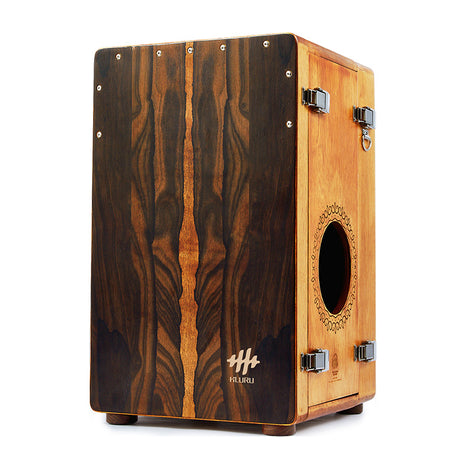
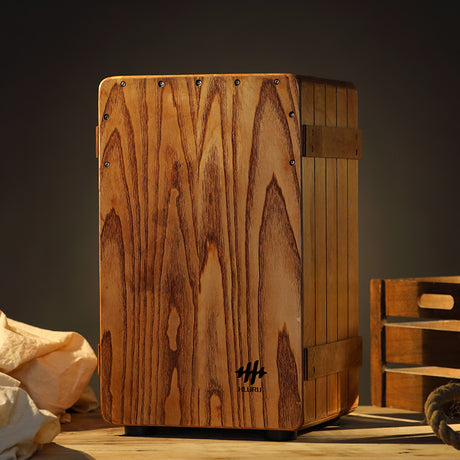
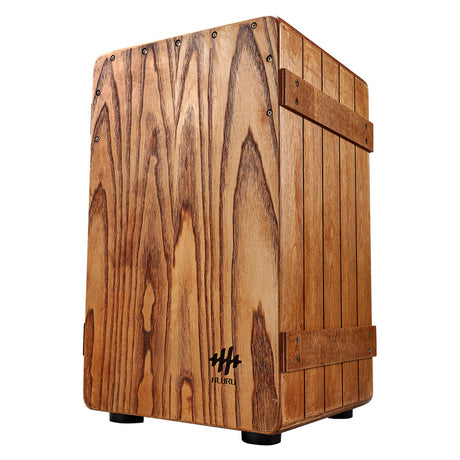
A: Yes. Birch is punchy and loud (good for live), while Walnut/Ash is warmer and looks more premium.