Table of Contents
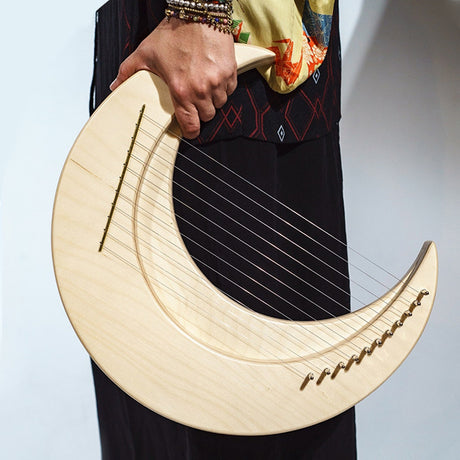
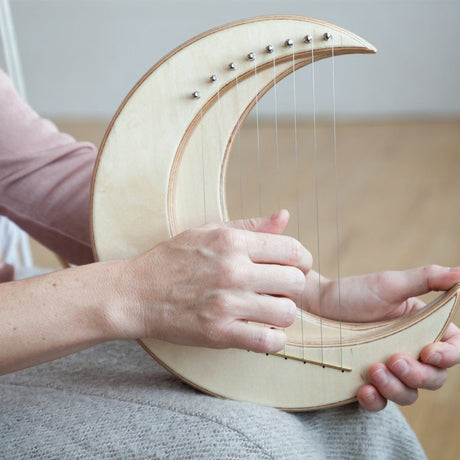
The Lyre Harp is experiencing a massive comeback. It is small, affordable, and produces a sound that can only be described as "magical." Unlike a guitar or violin, there are no complex finger positions to learn. You simply pluck a string, and it sings.
But as you browse through Hluru's collection, you might wonder: "Do I need the 19-string version, or is 16 strings enough?" "Does the shape of the wood change the sound?"
This guide cuts through the noise and focuses on the modern Lyre Harp options available today, helping you find your perfect musical companion.
The Big Decision: 16 Strings vs. 19 Strings
In the world of modern Lyres, these are the two main standards. The number of strings determines the range of songs you can play.
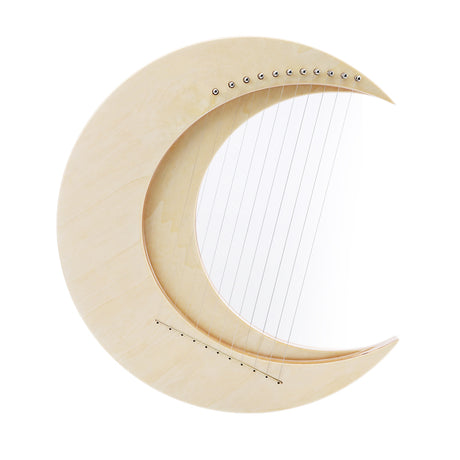
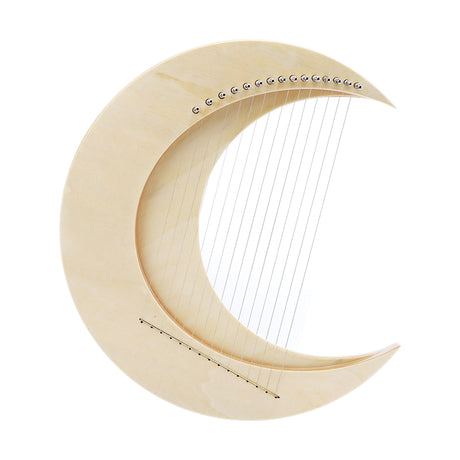
16-String Lyre
The Standard Choice. It typically covers 2 octaves.
Pros: The strings are spaced slightly further apart, making it easier for beginners with larger fingers to pluck without hitting the wrong note.
Cons: You might encounter some advanced songs that require higher notes you don't have.
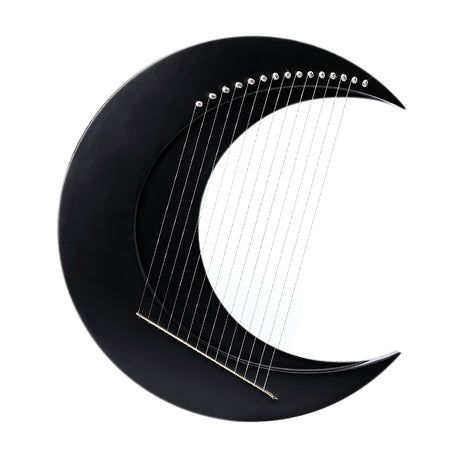
19-String or 21-String Lyre
The Versatile Choice. It adds extra high notes.
Pros: You can play almost any song written for the Lyre without transposing. It offers more freedom for improvisation.
Cons: The strings are closer together, requiring a bit more precision.
Verdict: If you are buying for a child or someone with large hands, go for 16 strings. If you want maximum musical freedom, go for 19 or 21 strings.
Body Style: Solid Board vs. Hollow Box
Just like with Kalimbas, the construction of the body changes the physics of the sound.
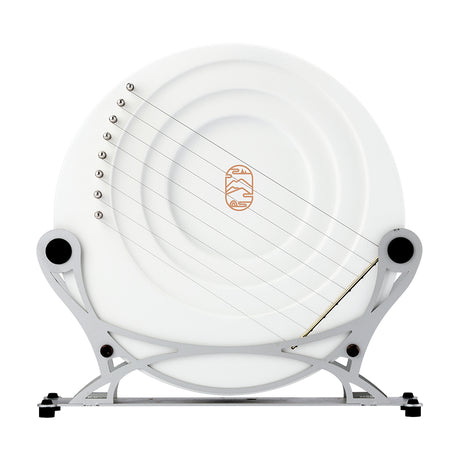
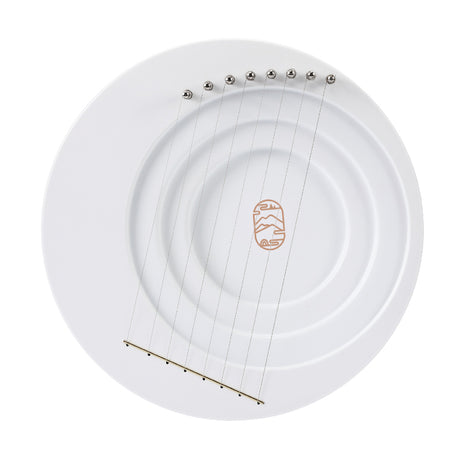
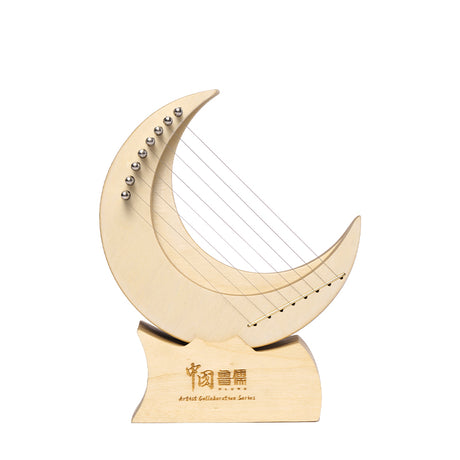
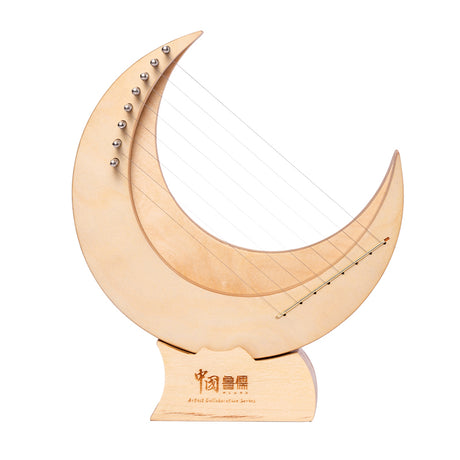
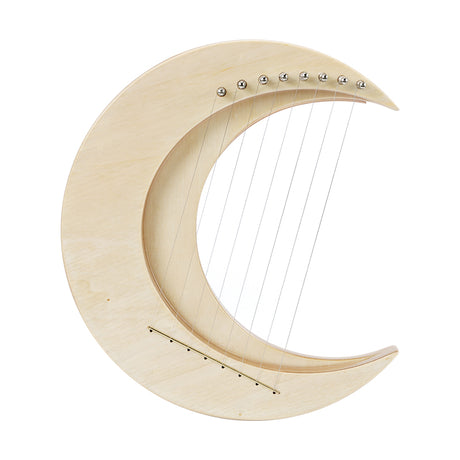
Solid Body (Plate Lyre)
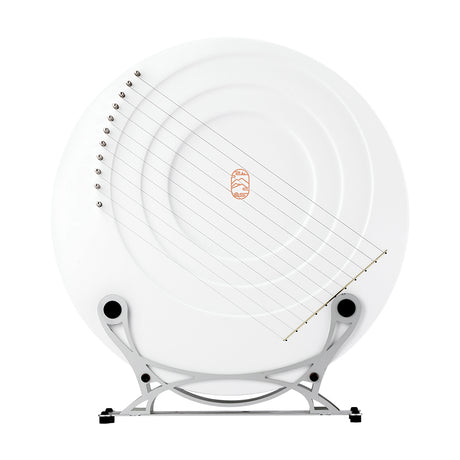
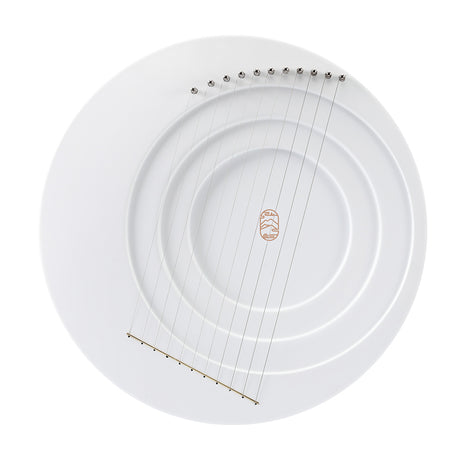
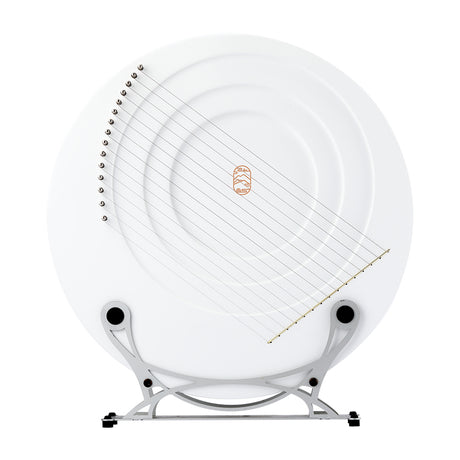
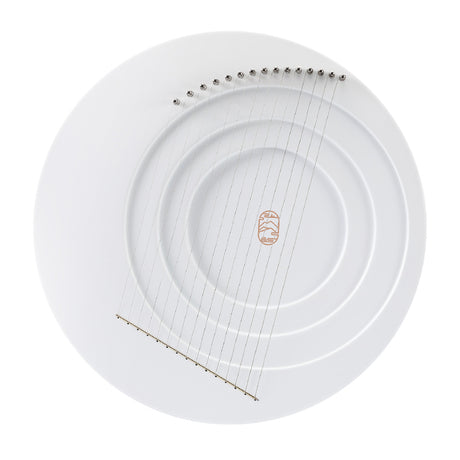
This is a single slab of wood.
Sound: Clear, long sustain, and very "open." The sound vibrates through the wood directly. It is often quieter but more "pure."
Hollow Body (Box Lyre)
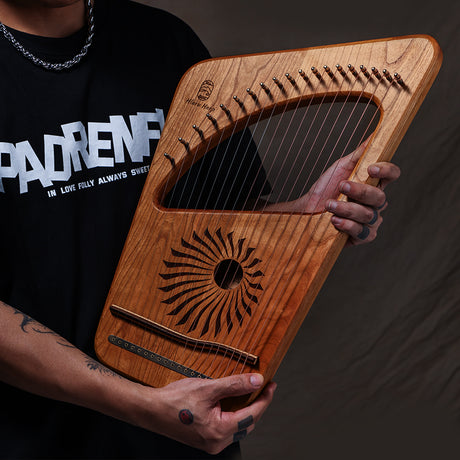
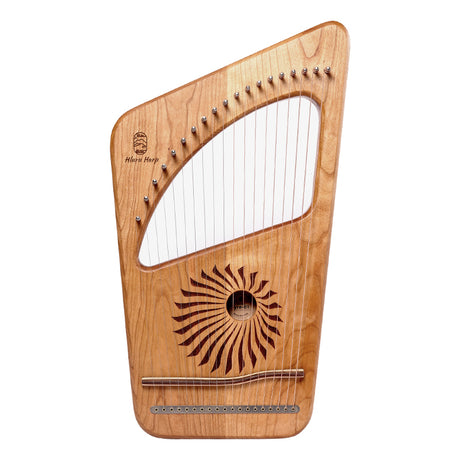
This has a sound chamber (a box with a hole).
Sound: Louder and more resonant. The box amplifies the sound, making it great for playing outdoors or performing for friends.
Wood Matters: Mahogany, Maple, or Walnut?
At Hluru, we use premium tonewoods. Here is how they affect the tone:
- Mahogany: The most popular choice. It produces a warm, balanced mid-range tone. It looks classic and reddish-brown.
- Maple: A harder wood that produces a brighter, "sparkling" tone. Great if you want your melody to cut through clearly.
- Walnut: A premium wood with a darker look and a deep, rich, and mellow sound.
Comparison: Which Model Fits You?
| Feature | Beginner Model | Advanced Model |
|---|---|---|
| Strings | 7 to 16 Strings | 19 to 24 Strings |
| Body Type | Solid Body (Durable) | Hollow Body (Resonant) |
| Price Range | $40 - $70 | $80 - $150+ |
| Best For | Learning basics, Travel | Complex arrangements, Performance |
Essential Accessories You Will Need
When you buy a Hluru Lyre, we include almost everything, but make sure you have:
- Tuning Wrench: (Included) You will need to tune it often, especially in the first week as the strings stretch.
- Spare Strings: Metal strings can snap if over-tightened. Always keep a backup set.
- Electronic Tuner: A clip-on tuner (or a phone app) is essential to keep your Lyre sounding heavenly.
Conclusion & FAQ
Choosing a Lyre is less about "technical specs" and more about the connection you feel. Whether you choose the deep resonance of a Walnut Box Lyre or the simplicity of a Maple Plate Lyre, the joy comes from the act of playing.
Ready to bring the sound of antiquity into your home? Check out our recommendations below.
Frequently Asked Questions
Q: Is the Lyre hard to tune?
A: The first time can be tricky because the pegs are sensitive. Small movements make big pitch changes. But after the strings "settle" (usually after 3-5 days), it stays in tune very well.
Q: Can I play guitar songs on a Lyre?
A: You can play the melody of guitar songs, but you cannot strum full chords in the same way. The Lyre is a melodic instrument, perfect for playing vocal lines.