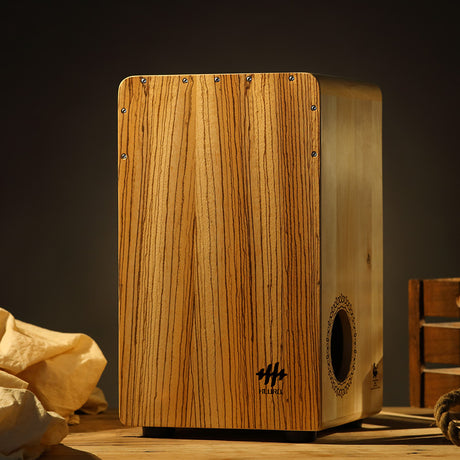
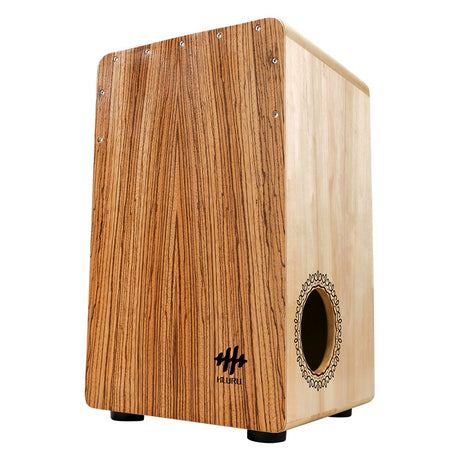
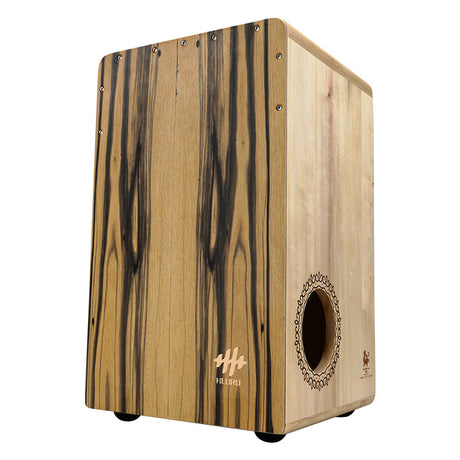
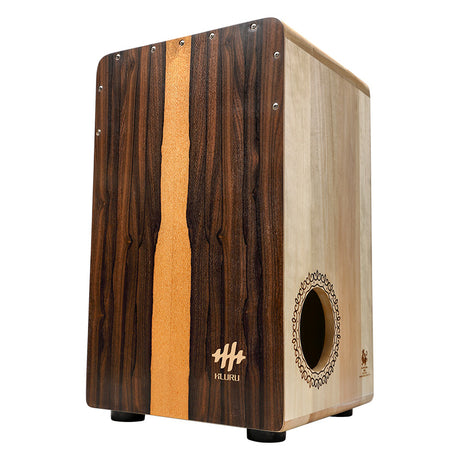
A brand-new cajón usually sounds crisp, open, and resonant. But after weeks or months of playing, many players notice something worrying: the instrument doesn’t sound as loud as before. The high tones lose brightness, the bass becomes weaker, or the whole drum feels slightly “muted.”
Does this mean the cajón is broken? In most cases, no. Cajóns are wooden acoustic instruments, and wood reacts to your environment and your playing habits. The good news is that most volume loss comes from natural wear, incorrect maintenance, or environmental changes—and it can often be fixed with simple care techniques.
1. Why Your Cajón Gets Quieter Over Time
1.1 The Tapa (Front Plate) Loosens Naturally
The tapa is extremely thin—usually 2.5–3.5mm. With regular playing, it gradually loosens from the frame. Even a tiny change in tension can noticeably reduce crispness and projection.
A loose tapa often results in:
- Reduced high-end “slap”
- Less defined snare response
- More “boxy” mid-tones
- Weaker bass resonance
This is normal wear—not damage. The cure is simply tightening the screws slightly (details in the maintenance section below).
1.2 Snare Wires or Strings Lose Tension
Most cajóns use either guitar strings or snare wires. Over time, these components stretch. When tension drops:
- The snare becomes softer
- The attack loses brightness
- The overall volume decreases because the vibration is weaker
Snares must be adjusted periodically—just like the strings on a guitar.
1.3 Humidity and Temperature Affect the Sound
Wood absorbs moisture. In humid environments:
- The tapa softens → less projection
- The body absorbs moisture → bass resonance decreases
- Snares lose tension → weaker response
In overly dry environments, the tapa becomes brittle and stiff, also reducing sensitivity.
Cajóns perform best at:
- Humidity: 40–55%
- Temperature: 18–26°C
1.4 Dust Accumulates Inside the Cajón
Dust buildup seems harmless, but inside a resonant box, it absorbs vibration—just like putting a blanket inside a speaker cabinet.
This often causes:
- Muffled bass
- Reduced internal resonance
- Less defined tone
1.5 Playing Technique Evolves, Affecting Perception
New cajón players often strike harder, creating the illusion of stronger volume. As technique improves, strokes become more controlled—and naturally softer.
Sometimes the instrument isn’t quieter; you’re just playing with better technique.
1.6 The Cajón Was Never Fully “Broken In”
A new cajón changes sound during its first few weeks. The tapa settles, the snares adjust, and the wood resonates more naturally. During this process, the sound may fluctuate.
This is normal and does not indicate damage.
2. How to Maintain and Restore Your Cajón’s Volume
2.1 Tighten the Tapa Carefully
Use a small screwdriver to adjust the screws around the tapa. Follow these principles:
- Tighten only 1/8 turn at a time
- Adjust screws evenly across the surface
- Stop immediately if you hear cracking
Proper tension restores sharp high-tones and bass projection. Never overtighten—doing so can warp the wood.
2.2 Adjust the Snare Tension
Most string-snare cajóns have an internal knob or screw to tighten the snares. Increase tension slowly:
- Tight snare → brighter, sharper tone
- Looser snare → softer, more muted response
Finding the balance is key. Over-tightening can choke the tone; under-tightening reduces volume.
2.3 Control Your Environment
Store the cajón in a stable environment. Avoid:
- Direct sunlight
- Bathrooms or kitchens (high humidity)
- Cold air-conditioned floors
- Car trunks (extreme temperatures)
If you live in a humid region, consider using silica gel packets inside the carrying bag.
2.4 Clean the Interior Regularly
Use a handheld vacuum or compressed air to remove dust from inside the cajón every 2–3 months.
Do not use wet cloths or cleaning fluids—moisture will damage the wood.
2.5 Condition the Wood (Exterior Only)
Occasionally wiping the surface with a small amount of lemon oil or specialized wood conditioner helps maintain the wood’s health and resonance.
Avoid applying oil to the tapa unless recommended by the manufacturer.
2.6 Avoid Excessive Force
Many beginners hit the cajón too hard. Not only does this reduce the lifespan of the tapa, but it also compresses the wood fibers, reducing responsiveness.
Proper technique produces more volume than brute strength.
2.7 Use a Cajón Pad or Cushion
Sitting directly on the wood for long sessions can slightly affect the resonance. A thin pad helps preserve tonal clarity (and improves comfort).
3. When Should You Worry?
In rare cases, reduced volume may indicate damage. Look for:
- Visible cracks in the tapa
- Internal string/snare detachment
- Warped wood panels
- Loose joints causing rattling
If you find any of these signs, contact the manufacturer or a technician. However, most volume loss is NOT caused by structural damage.
4. How to Keep Your Cajón Loud and Resonant Long-Term
To preserve volume, sensitivity, and tonal clarity:
- Tighten tapa screws every 1–2 months
- Check snare tension regularly
- Store in a dry, stable environment
- Avoid heavy impacts or “slapping too hard”
- Clean dust inside every few months
- Use proper technique to protect the tapa
With good care, a quality cajón remains loud, responsive, and expressive for many years. Volume loss does not mean your instrument is failing—it simply needs attention, just like any wooden percussion instrument.